Before dawn, the kitchen is already bustling with activity. The hum of refrigerators, the sizzle of pans, and the rhythmic chopping of vegetables fill the air. What is most striking is the absence of waste. Every peel, stem, and leftover is transformed into something new. Welcome to the world of zero-waste chefs, where sustainability and creativity go hand in hand.
Douglas McMaster, the visionary behind London’s Silo, is at the forefront of this movement. His philosophy is simple yet profound: “The best waste is the one you never create.” At Silo, this isn’t just a motto; it’s a way of life. Ingredients are sourced locally, often directly from farmers, to ensure freshness and reduce carbon footprint. While others might discard them, McMaster and his team see waste as potential. Carrot tops become pesto, stale bread is turned into breadcrumbs, and even coffee grounds find new purpose.
But it’s not just about using every part of an ingredient. It’s about reimagining the entire process. The kitchen operates like a well-oiled machine, with every member of the staff trained to think sustainably. There’s no room for single-use plastics, and packaging is minimized. Even the restaurant’s design reflects this ethos, with furniture made from recycled materials and an efficient layout that reduces waste.
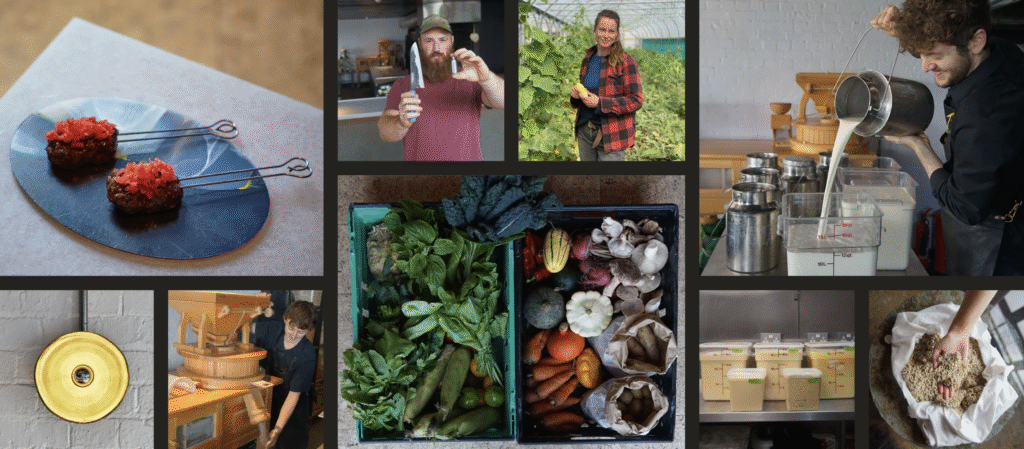
This approach isn’t confined to fine dining establishments. Across the globe, chefs are embracing zero-waste principles. In Mexico City, Baldío transforms food scraps into gourmet dishes, while in Helsinki, Nolla operates as a completely waste-free restaurant. These establishments prove that sustainability and exceptional cuisine can coexist.
For those of us cooking at home, adopting a zero-waste mindset is both achievable and rewarding. Start by planning meals around what you already have to reduce the temptation to buy too much. Embrace the art of fermentation by turning vegetable scraps into tangy pickles or kimchi. Get creative with leftovers, turning them into new meals rather than letting them languish in the fridge.
To help you embark on this culinary journey, here are some inspiring resources filled with zero-waste recipes:
- Love Food Hate Waste: A treasure trove of recipes that make the most of leftovers and reduce food waste.
- Jamie Oliver’s Recipes to Reduce Food Waste: Creative dishes that turn food scraps into delicious meals.
- BBC Good Food’s Zero-Waste Recipes: Everyday recipes that help you minimize waste and maximize flavor.
By embracing these practices, we not only reduce our environmental impact but also reconnect with the food we consume. Each meal becomes an opportunity to innovate, to be resourceful, and to honor the ingredients that nourish us.