
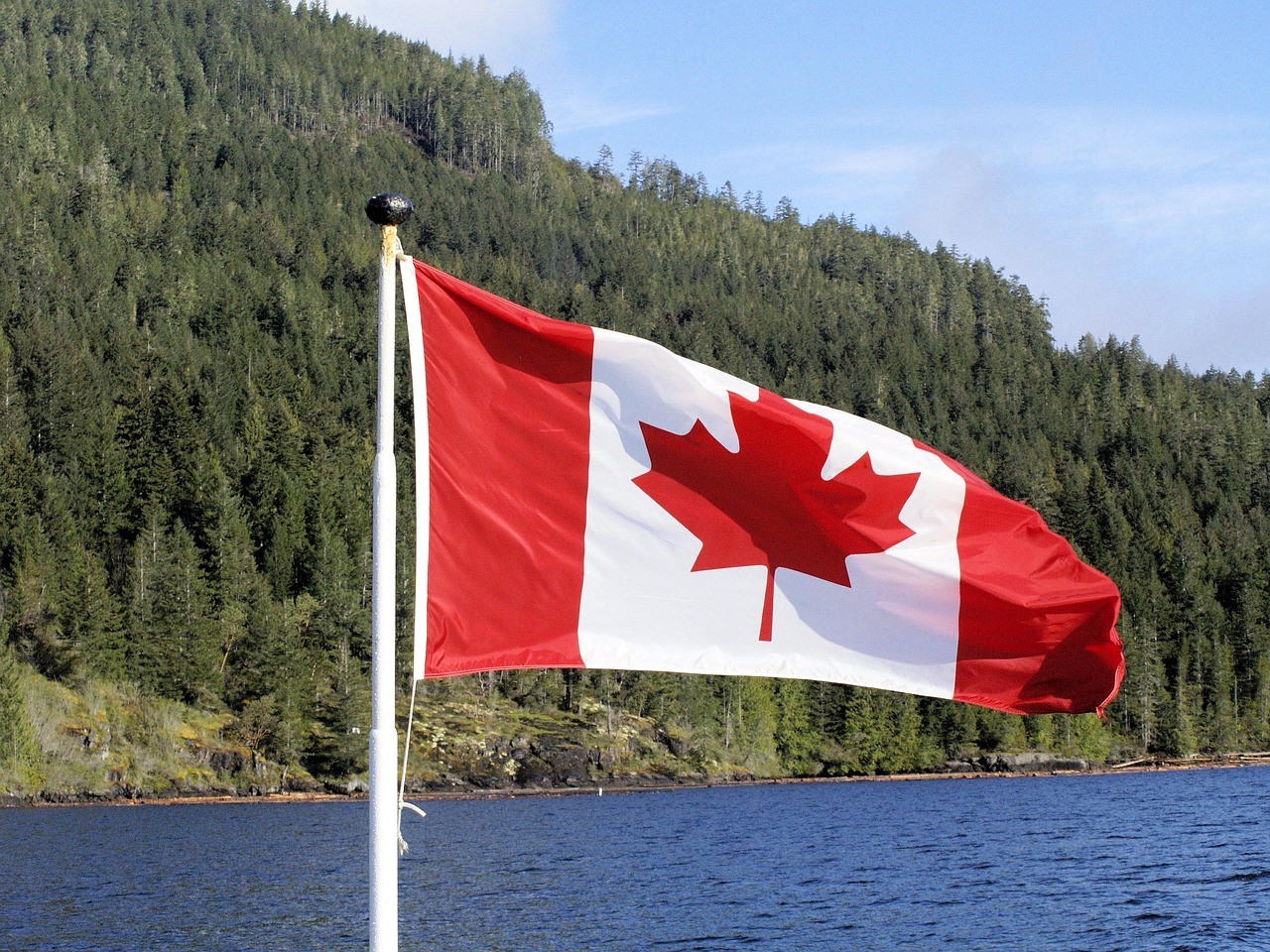
From “Americano” to “Canadiano”: the symbol of a national awakening

“One large Americano, please.”
“I’m afraid we’re all out. Can we offer you a Canadiano instead?”
This is the exchange that has been repeated in coffee shops across Canada since February 2025. Amid rising tensions between Canada and the United States, the symbolic renaming of the Americano is more than just a menu novelty; it is a distinctively patriotic statement.
Sparked by recent provocative policy proposals from Washington — including imposing unprecedented high tariffs on Canadian goods and suggestions of integrating Canada more closely into the US’s political orbit — it signals a broader revival of Canadian national identity.
A growing movement of economic patriotism
This newfound patriotism extends well beyond coffee menus. Hundreds of thousands of Canadians have downloaded apps like Maple Scan and Buy Beaver, which help consumers identify products made in Canada to actively support Canadian businesses and keep their money inside the country.
And while the Canadian government tries to navigate its complex relationship with its southern neighbour, Canadians themselves are not merely waiting for their leaders; instead, as these initiatives demonstrate, they have taken things into their own hands.
“Canadians themselves are not merely waiting for their leaders.”
From renewed pride to political realignment
This surge in national pride is also clearly reflected in recent polling data. In December 2024, the Angus Reid Institute reported that the proportion of Canadians feeling “very proud” of their national identity was at its lowest since records began in 1985, falling dramatically over that period from 78% to just 34%.
Remarkably, by mid-February 2025 — just two months later — this figure had jumped by ten percentage points to 44%: a significant shift in a strikingly short period. Few catalysts for national unity are, of course, as potent as a perceived external threat — in this case, the current policies emerging from the United States.
Importantly, this revival transcends traditional political divisions and tribes. It is a truism to say that overt expressions of nationalism have typically resonated more with conservative-leaning voters — and indeed, Pierre Poilievre, Conservative Party leader since 2022, has frequently invoked patriotic sentiments. Yet the current wave of Canadian pride appears notably broad-based and politically inclusive.
Since March 2025, under the leadership of Mark Carney, the Liberal Party has significantly shifted its narrative. Eschewing, at least in appearance, former Prime Minister Justin Trudeau’s post-nationalist and globalist approach, Carney’s Liberals have embraced the prevailing patriotic mood with their campaign slogan “Canada Strong.”
Positioning themselves as pragmatic nationalists and staunch defenders of Canadian sovereignty and economic resilience, they have adopted an assertive stance on trade and national security issues.
“Canada Strong” — a simple but potent slogan marking a sharp ideological pivot.
We reserve the right to question the Liberals’ long-term commitment to their so-called pragmatic nationalism. While it may have been politically expedient in early 2025 thanks to Mr. Trump’s actions, such a radical change in political direction is unlikely to be sustainable in the long run, given that the Liberals have shown a commitment to the very opposite for years.
Regardless of any justified suspicions we may have, this shift has clearly struck a chord with Canadian voters, who are newly energised by concerns about identity, security, and unity. After facing certain electoral defeat earlier this year, the Liberals first overtook the Conservatives in the polls for the first time in over two years — and then won the election by a landslide, a result that was beyond all expectations.
Between fervour and foresight: what future for this new patriotism?
There are some cautionary voices, such as within the New Democratic Party, that have expressed concern that this new nationalism may be driven by fear or panic rather than sustainable community spirit. History warns that some expressions of nationalism can pose risks to civil society, fostering division, exclusion, and discontent.
However, Canada has good reason to be optimistic, election results aside. If channelled wisely into a constitutional patriotism that is not merely reactionary, Canada’s national revival could foster greater social cohesion and democratic engagement, as well as providing a clearer sense of national purpose.
“If channelled wisely, Canada’s national revival could foster greater social cohesion and democratic engagement.”
While the Canadiano may seem trivial, it symbolizes a serious moment of collective reflection: Canadians from across the political spectrum are decisively in agreement that Canada is not a post-national state.
This political moment offers significant opportunities for fostering active citizenship, bolstering political literacy, and nurturing deeper civic responsibility for Canada’s future.
Ultimately, Canada’s revival is a reminder that national pride can indeed be constructive. The challenge now is to harness the energy behind this renewed sense of shared identity into an enduring and positive national project.