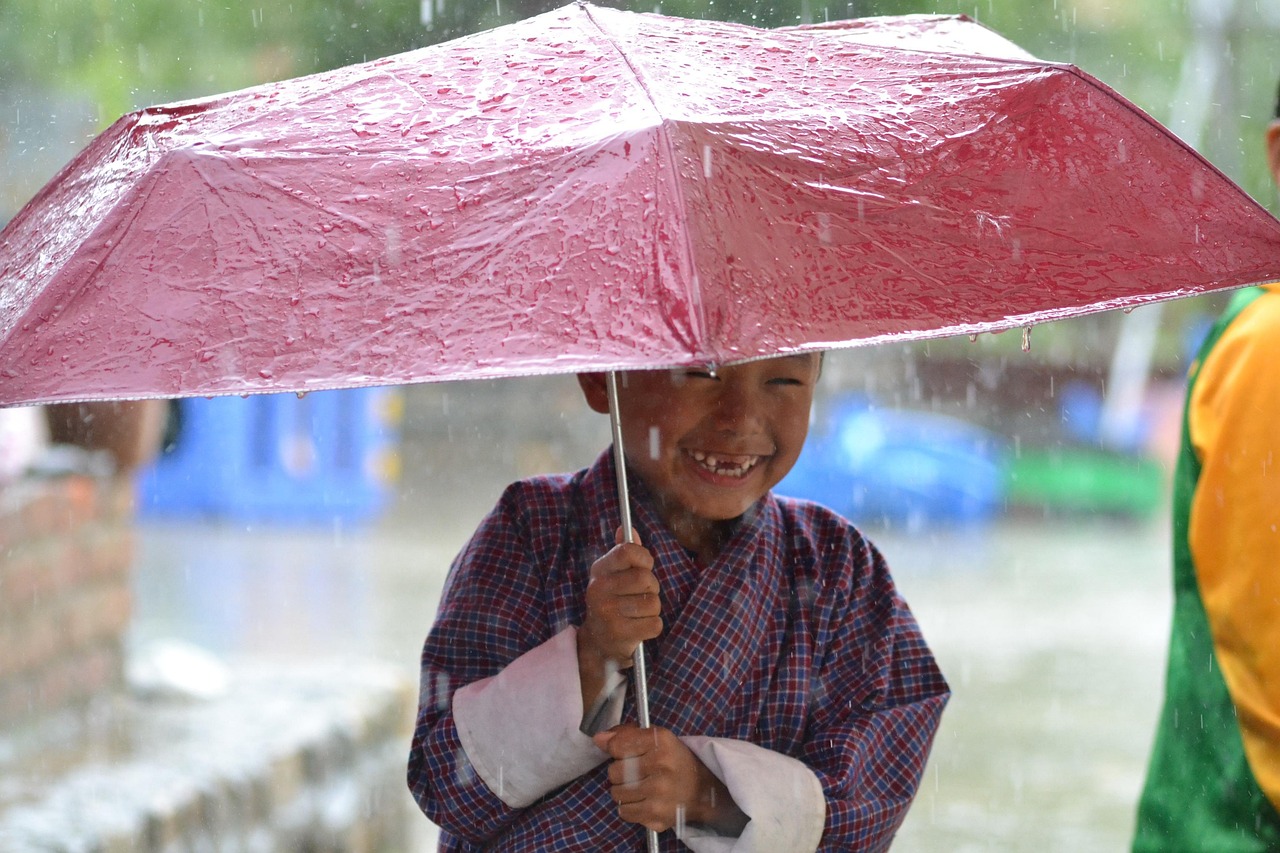
In 2025, Bhutan has once again reminded the world that true progress cannot be measured solely by economic growth. The Himalayan kingdom, famous for introducing the concept of Gross National Happiness (GNH), has taken a major step by hosting the first-ever Global Gross National Happiness Forum, this past November 7–12, 2025, at Dungkar Dzong in Paro. This international gathering, organized by the GNH Centre Bhutan, welcomed policymakers, educators, business leaders, and spiritual thinkers from around the world to explore how happiness and wellbeing can be embedded into governance, education, and urban development. The event served as a starting point for a global dialogue on what prosperity means today. Not through the lens of profit, but through the wellbeing of people and the planet.
From Bhutan to the World: Exporting Happiness as a Policy Model
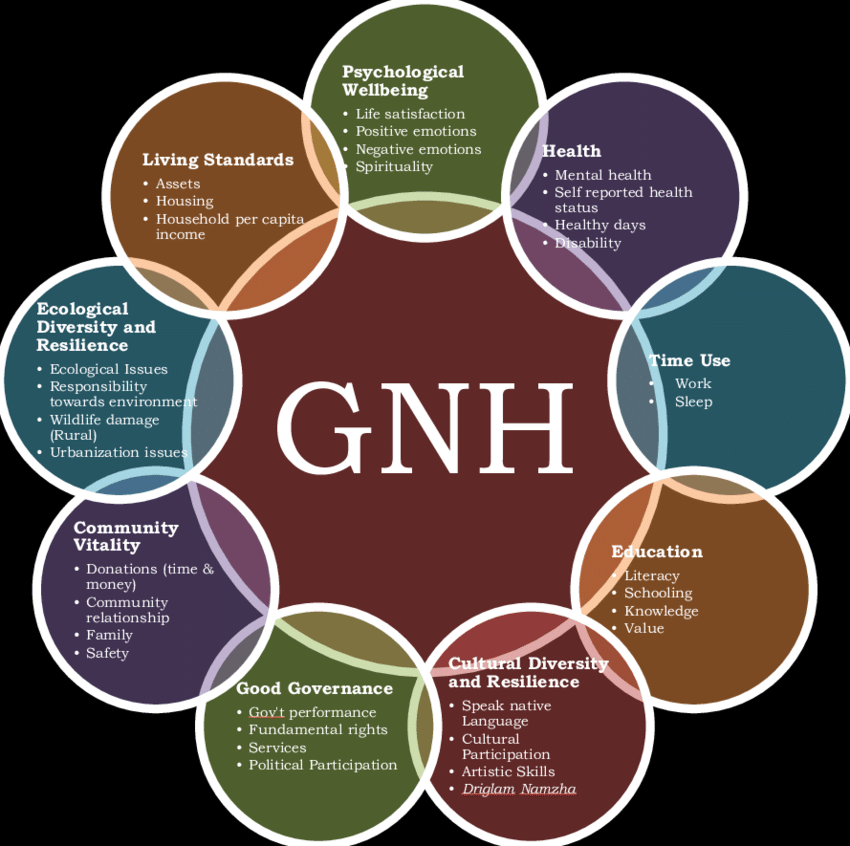
This year has also seen Bhutan exporting its GNH model far beyond its borders. In April 2025, the Centre for Bhutan and Gross National Happiness Studies signed a five-year memorandum of understanding with two Brazilian institutions to apply GNH to Fernando de Noronha, a Brazilian island designated as a World Heritage Site by UNESCO in 2001. The initiative aims to adapt Bhutan’s nine-domain GNH index (which measures psychological wellbeing, ecological balance, cultural resilience, time use, community vitality, and good governance) to guide Brazil’s sustainable development strategy.
Mindful Cities and Conscious Economic: The Gelephu Vision
At the same time, within Bhutan, one of the most ambitious undertakings yet is underway: the Gelephu Mindfulness City (GMC) project. Envisioned as a model for “mindful capitalism,” this emerging city is intended to integrate ecological design, renewable energy, creative industries, and spiritual values. It seeks to create jobs for Bhutan’s youth while keeping them connected to their cultural and environmental roots. Together, these developments signal a quiet revolution, one that places human happiness, ethical consciousness, and planetary care at the center of public life.
If you want to learn more about this urban development, we published a two-part mini-series analysis on this conscious city under construction. The first part focuses on Mindfulness City Design, and the second on the Spirituality, Governance and Global Ambition of that project.
Gross National Happiness: Redefining Development Beyond GDP
What makes these initiatives so profoundly relevant to our times is their potential to redefine what progress means for humanity as a whole. For decades, nations have equated success with the Gross Domestic Product (GDP), productivity, and consumption. Yet around the world, rising inequality, climate anxiety, and mental health crises are revealing the limits of that model. Bhutan’s vision offers an alternative path, one that speaks directly to the needs of the 21st century. By embedding wellbeing into governance, the country acknowledges that happiness is not a private pursuit but a collective responsibility. When education policies nurture emotional intelligence, when cities are designed to encourage reflection and ecological harmony, and when economies are measured not only by output but by balance and belonging, we begin to see a more holistic form of development, one that values the inner and outer dimensions of life equally.
The export of Bhutan’s GNH model to Brazil also demonstrates that happiness is not confined by geography or culture. It shows that the principles of interdependence, compassion, and sustainability can be translated across very different societies. This universality is precisely what makes the Bhutanese approach so inspiring. It proposes that progress must integrate material comfort with mental health, governance with ethics, and environmental care with cultural identity. Such integration offers a powerful framework for nations seeking to reconcile economic ambitions with the wellbeing of their citizens and ecosystems.
Projects like the Gelephu Mindfulness City bring this vision into tangible form. They illustrate that “happiness” is not a vague aspiration but a design principle that can shape cities, jobs, and lifestyles. Imagine a city where public spaces invite contemplation, where local economies sustain both people and nature, and where innovation serves community resilience instead of unchecked growth. Bhutan is showing that this vision is not only possible but practical. In doing so, it invites the rest of the world to re-imagine development as a living system rooted in meaning, mindful of limits, and devoted to harmony.
Ultimately, Bhutan’s model of Gross National Happiness offers far more than a set of policy guidelines; it represents an evolution in human consciousness. It calls for us to expand our definition of success beyond the material and to recognize that true prosperity arises when inner and outer well-being coexist. By prioritizing mental and emotional health, ethical leadership, environmental care, and cultural continuity, Bhutan is exploring a path toward a more conscious civilization. In this sense, GNH is not simply a Bhutanese innovation; It is a universal invitation. It asks every society to look inward as it grows outward, to measure progress not by what it accumulates but by how it cares, connects, and sustains. As Bhutan shares its philosophy with the world, it is not merely exporting a model of happiness; it is nurturing a deeper global awakening, one in which humanity’s success will ultimately be measured by the well-being of all life.