On World Health Day, attention often turns to the challenges facing global health systems. But it is also an opportunity to look at emerging solutions and the ways in which our understanding of health may be evolving.
In recent discussions at the World Economic Forum in Davos, a growing focus has been placed on “healthy longevity”: not only how long we live, but how well we live. In that context, the so-called Blue Zones are gaining renewed attention as real-world models of what this shift could look like.
These regions of the world, where people reach advanced ages in good health and with a strong sense of well-being, are increasingly seen not just as anomalies, but as indicators of a broader transformation
What these communities reveal is not just a single secret to longevity, but a different way of living, one where health, connection, and purpose are embedded into everyday life.
The term Blue Zones refers to “geographically and demographically defined places of longevity,” as explained by Dan Buettner during a recent session at the Davos “Brain House.” It designates five regions identified by researchers and demographers: Okinawa in Japan, Ikaria in Greece, the Ogliastra region of Sardinia in Italy, the Nicoya Peninsula in Costa Rica, and the community of Loma Linda in California. Despite their cultural and economic differences, these “longevity hotspots” stand out for having exceptionally high proportions of people living into their 90s and beyond—sometimes at rates up to ten times higher than those observed in the United States.
A Lifestyle, Not a Miracle
Research consistently shows that longevity in Blue Zones is not driven by a single factor but by a combination of everyday habits. In these regions, residents tend to have among the world’s highest proportions of centenarians, with people living on average 7 to 10 years longer than in the United States, and rates of chronic diseases significantly lower than global averages.
From the plant-based diets and strong social ties of Sardinia, to the faith-based lifestyle of the Seventh-day Adventist community in Loma Linda, and the emphasis on natural movement and community connection in Ikaria and Costa Rica’s Nicoya Peninsula, each region offers its own variation on a shared theme. In Nicoya, for example, despite widespread poverty, those who reach the age of 50 have, according to the World Health Organization, the highest likelihood in the world of living to 100.
Diet plays a central role. In many Blue Zones, typical food patterns provide 90–95 % of calories from plant sources, emphasizing vegetables, legumes, whole grains, and nuts while limiting processed foods. What distinguishes these diets from healthier eating trends in other developed countries is their consistency across entire communities, reliance on locally sourced, minimally processed foods, and a cultural emphasis on shared meals, which reinforce adherence and nutritional quality over decades. Observational research links these diets to lower inflammation, improved cardiovascular health, and a reduced risk of diabetes and cancer, although patterns vary by region.
Equally important is how people move. In Blue Zones, physical activity is naturally integrated into daily life, rather than scheduled workouts. Elderly residents in Ikaria, for instance, walk 3–5 kilometers per day running errands, farming, or tending gardens. In Sardinia, men routinely climb hills and carry loads as part of pastoral work, while in Okinawa, gardening and housework keep elders active well into old age. These low-intensity, consistent movements contrast with the intermittent, high-intensity exercise common in many developed countries, contributing to cardiovascular resilience, muscle maintenance, and metabolic health over decades. Crucially, the impact of these behaviors is amplified by their pervasiveness across entire communities, supported by cultural norms, environment, and social structures that make healthy choices easy, routine, and socially reinforced.
The Power of Community and Purpose
Even more revealing is the mindset of the people who live in the Blue Zones. Of the hundreds of centenarians in diverse communities surveyed, “not a single one pursued health, not a single one pursued fellowship or purpose or love for all of them, ensued as a byproduct of where they lived, that’s environment, and who they lived with, the culture, the rituals, the lifestyle,” Dan Buettner observed.
Beyond diet and movement, social structure and a sense of purpose are among the strongest predictors of long life. Blue Zone communities place great value on family, social connection, and intergenerational relationships. For example, in Okinawa, elders participate in moai, small social support groups that meet regularly to provide emotional, financial, and practical support throughout life. Studies suggest that individuals in such networks experience up to 30% lower risk of cardiovascular events and report higher life satisfaction compared with those without close social ties (Holt-Lunstad et al., 2015).
Older adults remain active contributors to family and community life. In Sardinia, men in high-longevity villages often continue shepherding or communal farming well into their 80s, combining physical activity with social engagement. In Loma Linda, California, Seventh-Day Adventists emphasize volunteering, group worship, and family meals, correlating with lower rates of depression and longer life expectancy than the U.S. average.
A strong sense of purpose (known in Okinawa as ikigai) is another recurring theme. Having a reason to get up each morning, whether through work, volunteering, spiritual practice, or caregiving, has been associated with a 7–10% reduction in all-cause mortality in longitudinal studies (Tanno et al., 2009; Steptoe & Fancourt, 2019). Daily routines combining purpose with social interaction (like morning gardening, communal cooking, or group prayer) provide structure, belonging, and stress reduction, counteracting chronic stress, a major driver of age-related illness.
What these communities suggest is that the foundations of a longer, healthier life may be closer than we think.
What we can bring into our own lives is surprisingly simple: cultivating regular social connections, establishing a personal sense of purpose, and integrating small, meaningful activities into daily routines. Whether it’s a weekly check-in with friends, volunteering, or creating a daily ritual that combines movement and mindfulness, these behaviors have measurable benefits for mental health, resilience, and longevity.
Rather than relying on a single secret, these regions illustrate how lifestyle, environment, and social cohesion can combine to support longer, healthier lives—offering valuable lessons for the rest of the world.
A Message for Modern Societies
The Blue Zones continue to offer a powerful framework for rethinking health and aging. Their greatest contribution may not be extreme longevity itself, but the quality of life experienced well into old age. Environments that make healthy choices easy through access to nutritious food, walkable spaces, social inclusion, and respect for aging benefit everyone.
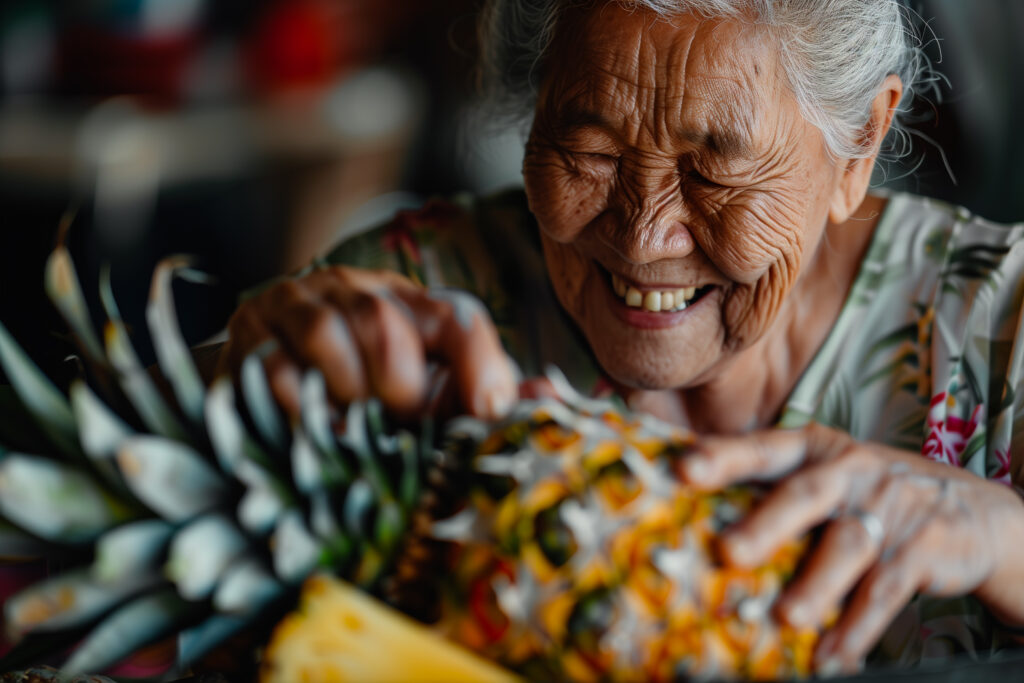
When asked what people truly need in life, one 98-year-old grandmother offered a simple answer, as Dan Buettner recalls:
“We need four things: someone to love, something to do, some way to give back, and something to look forward to.”
As populations age worldwide, this perspective suggests that the foundations of healthy life may be simpler than often assumed – rooted not in complexity, but in connection, purpose, and daily experience
The message is grounded and hopeful: another way of living, one that fosters both longevity and well-being is within reach. The question is no longer whether we can live longer or better, but whether we are willing to shape environments and lives, that make it possible.