A Fragile Winter Across the Himalayas
The winter of 2024–25 was one of the driest and warmest on record in the Himalayas. According to a report released in April 2025 by the International Centre for Integrated Mountain Development (ICIMOD), the Hindu Kush–Himalaya region experienced its least persistent snow in 23 years, with snow cover 23.6% below average. This is a worrying sign for the nearly two billion people who depend on meltwater for their livelihoods. Meanwhile, NASA’s Earth Observatory reported that the snow line in the Everest region had risen by around 150 metres between December 2024 and January 2025, indicating unusually warm and dry conditions at high altitudes.
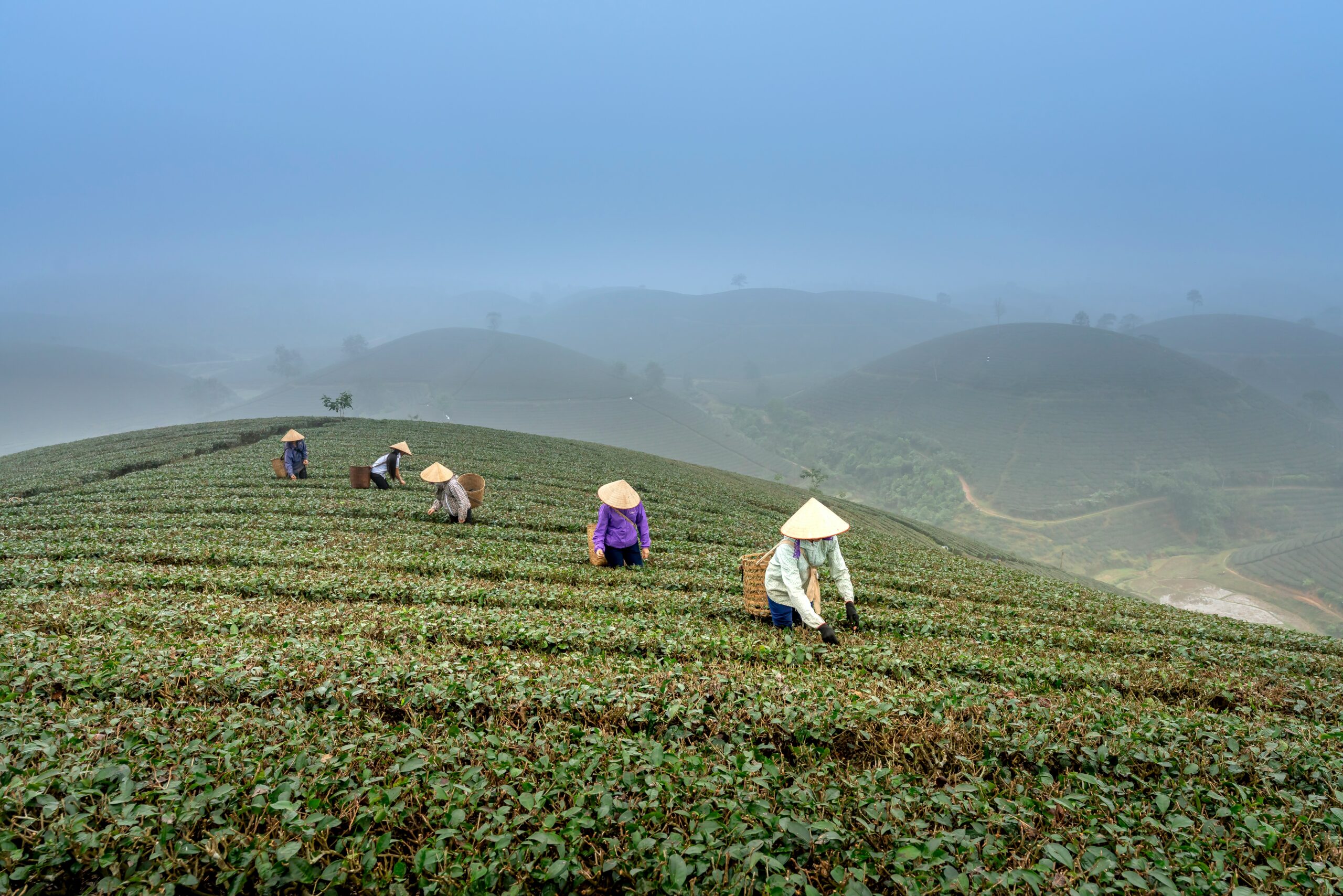
As glaciers retreat and snowfall becomes less reliable, streams dry up before the start of the planting season. Villages such as Ladakh, which is located over 3,000 metres above sea level, are faced with the simple yet existential question of how to grow the crops they depend on when there is no ice to melt.
In the Frozen Desert, an Idea Born from Scarcity
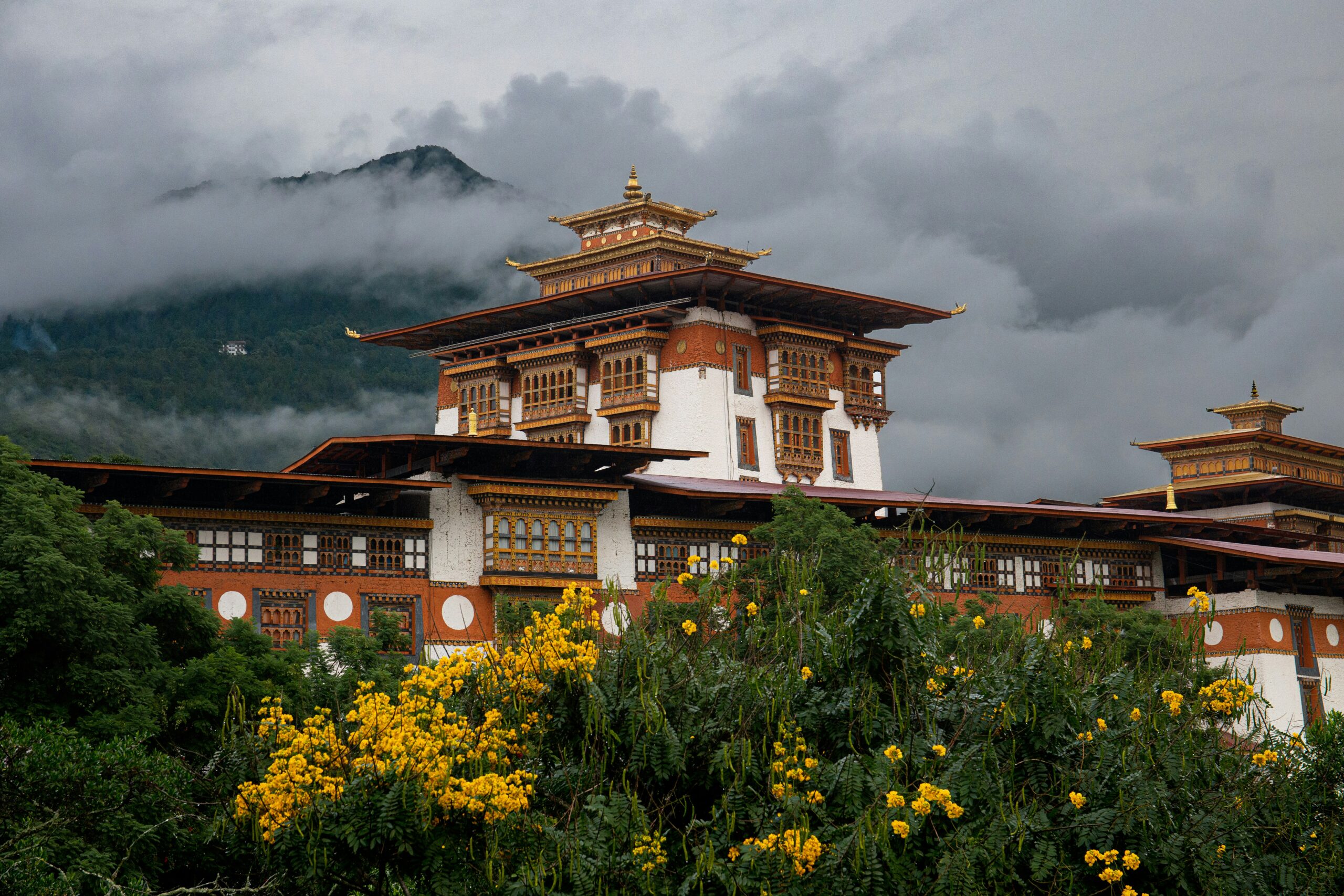
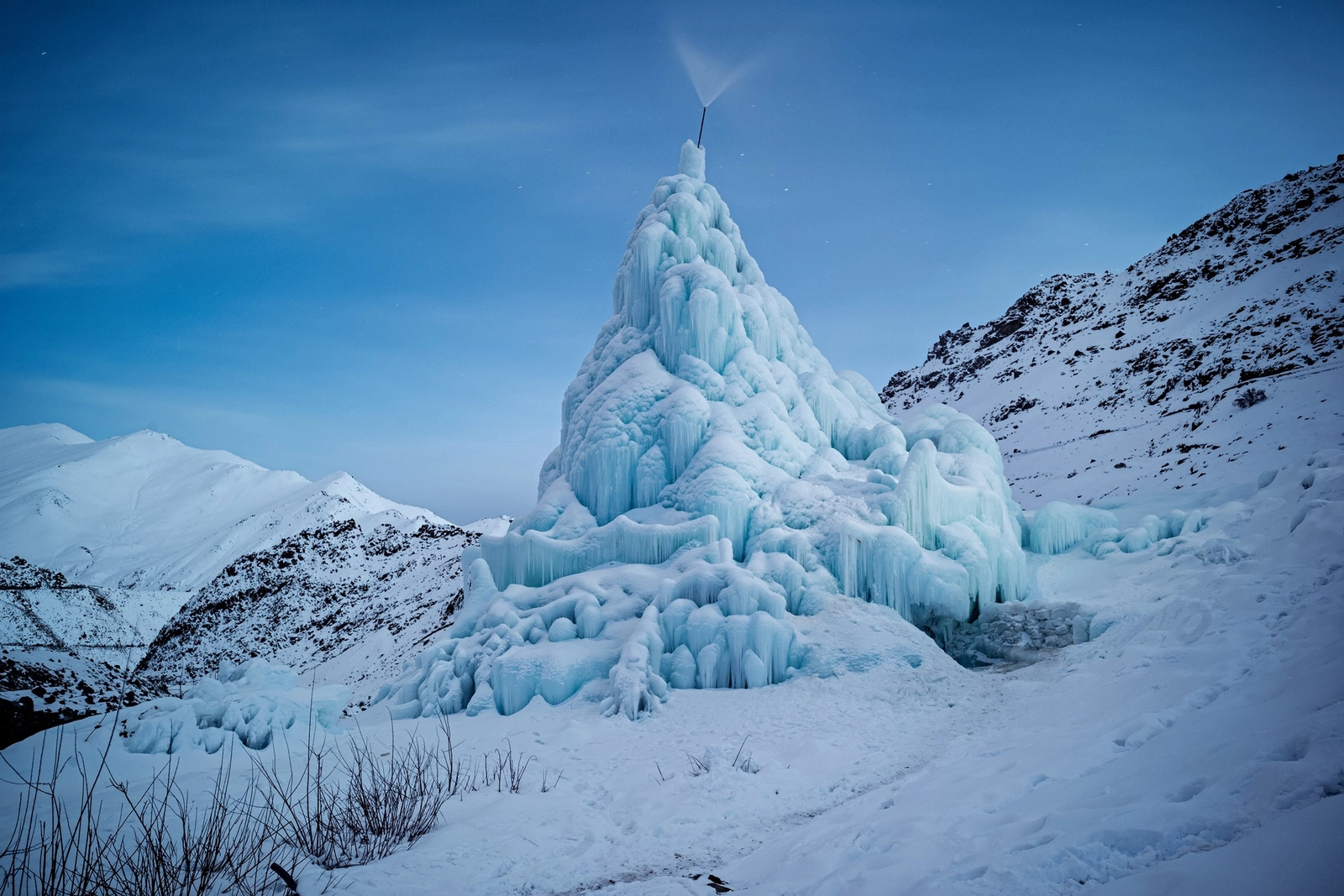
Amid this struggle, Sonam Wangchuk — a local engineer and environmental visionary — came up with a solution that was as poetic as it was practical: the Ice Stupa. Drawing inspiration from the sacred Buddhist structures scattered across the Himalayas, he transformed water into a sculpture using gravity and cold air to preserve it for when the land needed it most. In 2013, he constructed his first prototype: a seven-metre cone of ice containing almost 150,000 litres of water near the Phyang Monastery. When spring arrived, the stupa slowly melted, releasing its water drop by drop. The fields turned green again. The miracle had worked.
A Low-Tech Solution
The idea is very simple. During the cold season, a small amount of water from the stream is diverted through a pipe. This water then flows downhill and is sprayed out through a nozzle into the freezing air. Layer by layer, the water freezes, forming a cone that can grow up to 30 metres tall and hold millions of litres of water. Due to its conical shape, less of its surface is exposed to sunlight. Therefore, the ice melts more slowly than it would in a flat glacier or an open tank. Then, as the weather warms, it melts just when farmers need water the most.
From Local Experiment to Global Inspiration
Today, more than 25 villages across Ladakh build Ice Stupas every winter. Making them has become a community ritual where families gather and children help. The glowing ice towers stand as monuments to human cooperation and creativity. These stupas therefore also tell the story of human resilience and our ability to co-create with nature. The people of Ladakh have found a non-invasive, ephemeral, low-tech and aesthetic way to collaborate with the natural world. While melting snow caps are a symbol of despair for many, the locals have adapted to nature’s new rhythms.
Low-Tech Answers to a High-Stakes Crisis
The Ice Stupas remind us that innovation doesn’t always have to be digital or industrial. Sometimes it’s much more intuitive and simple. As the world faces greater climate uncertainty with each passing year, perhaps we can take comfort in the fact that human creativity is up to the challenge.
There are undoubtedly many more beautiful and simple solutions to our new climate challenges waiting to be imagined.
@photos credits : Ciril Jazbec