In a time when wars and geopolitical tensions dominate global headlines, other initiatives are also emerging, quieter movements that seek unity and collective meaning. One such initiative has recently appeared in the United States. At The Uplift, we aim to highlight developments like these that explore constructive responses to the challenges of our time.
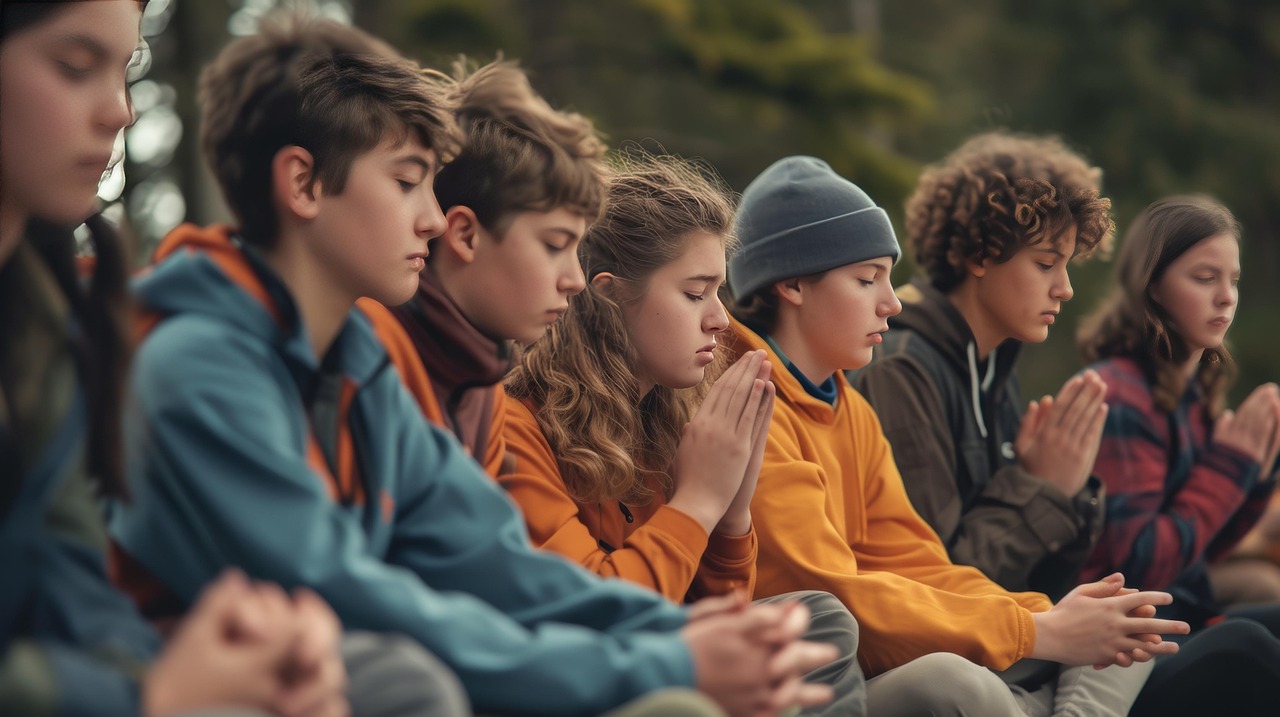
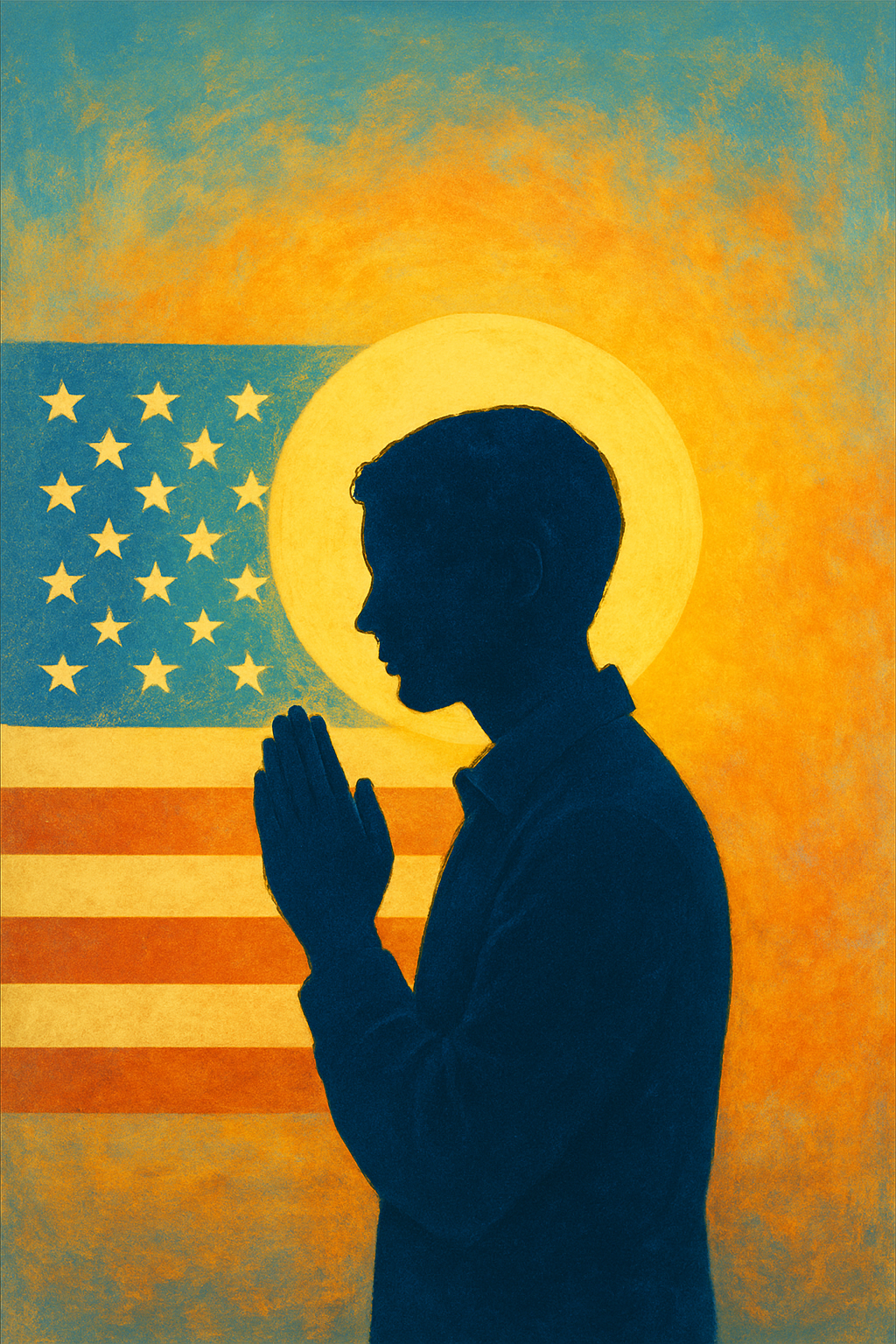
With just a few months before the 250th anniversary of the United States, a new initiative has emerged that places spirituality at the center of public conversation. Announced on September 8, 2025, at the Museum of the Bible in Washington by President Donald Trump, the initiative America Prays invites citizens across the country to form weekly prayer groups, each encouraged to dedicate one hour per week to prayer. The project presents prayer not only as an individual spiritual act but also as a collective practice with the potential to influence personal lives and the nation’s destiny.
In February 2026, during the 74th annual National Prayer Breakfast, President Trump expanded the initiative by announcing a national gathering:
“On May 17th 2026, we are inviting Americans from all across the country to come together on our National Mall to pray, to give thanks. We are going to rededicate America as one nation under God.”
One Nation Under God
America Prays sits within a long American tradition where faith has often been a cornerstone of national development. Presidential oaths taken on the Bible and references to God in public life are long-standing elements of this tradition. The inscription “In God We Trust” on national currency remains a daily reminder of the role that faith has played in shaping the country’s identity.
Although American presidents have called on citizens to pray for many years through official proclamations under the law of Congress, President Trump’s initiative represents a more structured call for collective participation. The project emphasizes unity, “One Nation under God”, inviting citizens to pray for the “strength, peace, and prosperity of the nation.”
The initiative conveys a message of hope, peace, and humanity, stressing that faith can unite citizens and contribute to the common good. Participants are encouraged to pray not only for their own country but also for peace throughout the world. In this sense, the initiative highlights the responsibility shared by individuals for the broader global common good, while emphasizing the transformative potential many people attribute to collective prayer. As the 250th anniversary approaches, this movement could become a powerful symbol of national unity and spiritual inspiration, while reminding the world of prayer’s universal reach.
The Power of Prayer
In this way, America Prays takes part in a broader debate on the role of spirituality in social cohesion, from the neighbourhood level to the global stage. Through the call to prayer, what is offered is not merely a religious gesture but an invitation to introspection, to the search for meaning, and to collective responsibility. The President’s call to pray for “government leaders” highlights that wise governance may involve more than policy-making alone: it may also be nurtured through reflection and moral awareness, with leaders guided by a higher principle; much as First Nations leaders have traditionally sought the Creator’s guidance before important gatherings.
This perspective has occasionally appeared in concrete moments of public life. On March 5, 2026, a group of religious leaders gathered in the Oval Office for a moment of prayer related to rising tensions involving Iran. According to participants, the prayer sought divine guidance, protection, and wisdom for national leaders facing complex geopolitical decisions. Such moments also reflect a broader belief shared by many traditions: that human decision-making may sometimes seek guidance from a reality greater than itself. While such moments remain relatively uncommon in contemporary political practice, they illustrate how spiritual reflection can sometimes intersect with questions of governance during periods of international uncertainty.
Enlightened Governance
This message resonates, in a sense, with the notion of sophocracy; a model of governance in which power is entrusted to those considered the wisest. The word comes from the Greek sophia, meaning “wisdom,” and kratos, meaning “power.”
In this vision, governing consists of making informed and fair decisions guided by the common good, moral conscience, and a deep understanding of the human and spiritual consequences of political choices. It represents a form of leadership based on wisdom rather than ideology, discernment rather than personal interests, and responsibility rather than the pursuit of popularity.
Prayer goes beyond a religious practice: it may also be understood as a way of fostering collective wisdom, uniting individuals, and encouraging societies to cultivate deeper moral awareness.
In the end, America Prays invites us to rediscover something both ancient and urgently relevant: the idea that a nation’s strength does not rest solely on its institutions, but also on the inner life of its people. Whether one approaches prayer as faith, meditation, intention, or simply a moment of reflection, the initiative raises a deeper question: what kind of society do we become when we choose to cultivate wisdom, compassion, and unity at the collective level?
A Personal Transformation for a Collective Impact
As the United States approaches its 250th anniversary, this call offers more than a program; it offers a mirror. It asks every citizen, regardless of belief, to consider how personal transformation shapes public life and how inner alignment might influence the world we build together.
In a time of global uncertainty, the question may no longer be simply whether we pray, but what we choose to elevate: fear or hope, division or unity, unrest or wisdom.
Perhaps the true legacy of America Prays will not be measured in the number of prayer groups formed, but in the kind of national consciousness it inspires, one that sees leadership as service, unity and peace as strength, and spirituality, in its many forms, as a force capable of guiding people toward a more humane, grounded, and enlightened future.