In early April, Ireland transformed an often unspoken private anxiety into a public question: who should bear the cost when distant wars, for which ordinary people bear no responsibility, increase the price of everyday life? Farmers, truckers, contractors and drivers used tractors and lorries to block roads, ports and depots, including Ireland’s only oil refinery at Whitegate in Cork. These methods were certainly disruptive and sometimes rightly contested.
Like every country exposed to international oil markets, Ireland has seen fuel prices surge since the outbreak of war in Iran. Prices have risen by more than 20% since the conflict began, with some reporting increases of up to 28% for diesel and 25% for petrol. For farming, fishing, haulage, school transport and local supply chains, this spike in working, family and food-chain costs was simply intolerable.
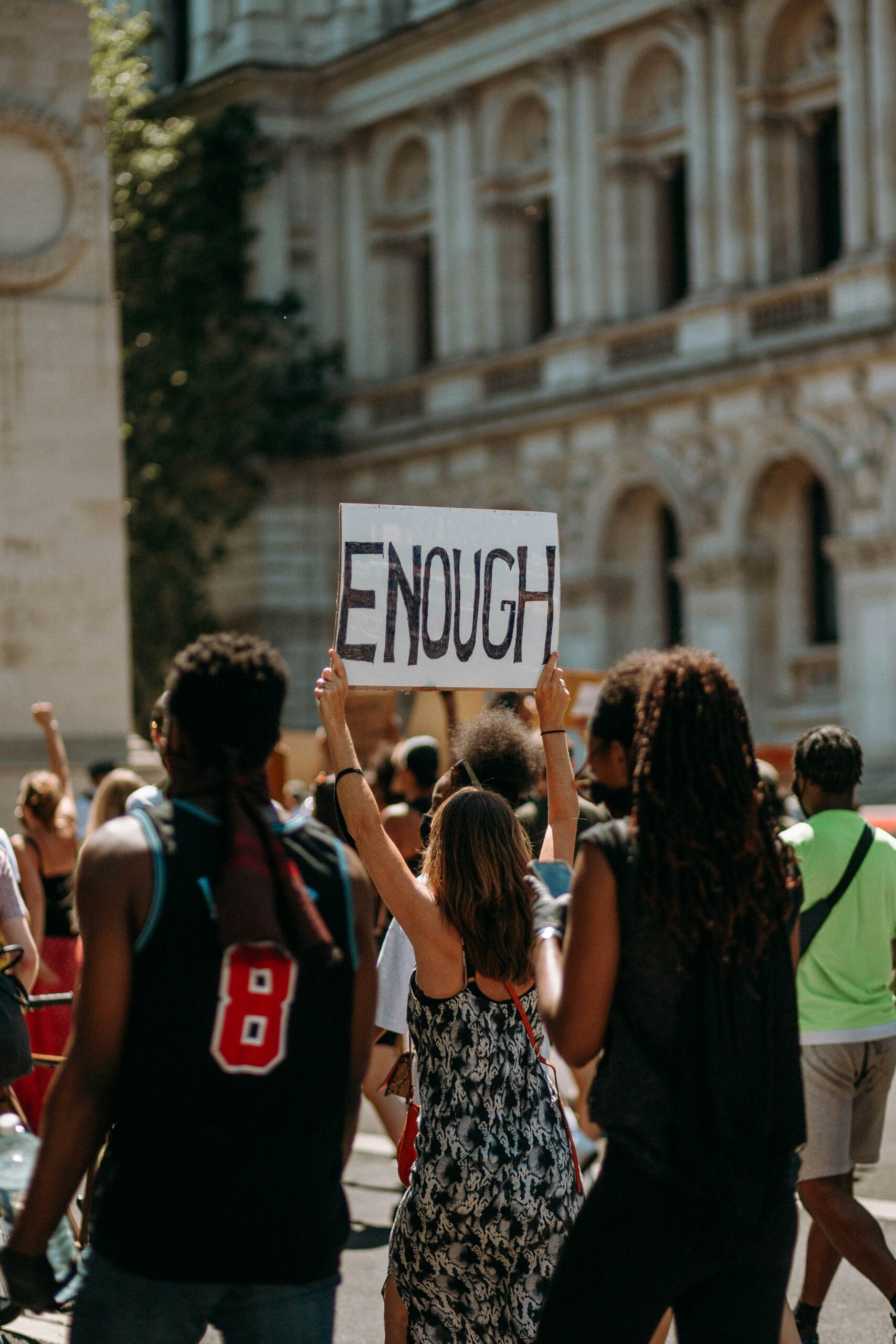
As early as March 24th, the Irish government cut mineral oil tax and extended fuel allowance support to 470,000 households. However, many felt that this was still not enough. So, on April 7th, the Irish people began to protest. The government branded the protests a “wrong form of protest” and an “act of national sabotage”. Tánaiste Simon Harris called them “a despicable attack on society and the economy”, and protesters were threatened with “legal consequences”. Yet the protests were largely peaceful. Confrontations were limited to police efforts to reopen critical infrastructure, such as Whitegate. Neither the government’s contempt nor the heavy police presence provoked the protesters, who remained largely non-violent. This self-discipline likely contributed to the concessions that followed.
Indeed, by April 12th, four days after the protests began and following the clearing of blockades by police and meetings between ministers and industry representatives, the government announced a series of measures worth €505 million to ease the burden on the Irish people of the Hormuz crisis.
The protests achieved significant policy changes. Although Ireland remains dependent on imported fossil fuels and market instability, the changes have given people whose livelihoods are exposed to global energy shocks some breathing space. The protests also forced the national conversation to recognise that resilience is not just about climate targets and budgets. It is also about whether those who feed, transport and service a country can continue to do so when prices rise overnight.
Ireland was not the only European country under pressure. Germany, France, Italy, Poland, Romania, Spain and Hungary all introduced limited measures to support the fuel industry. Others expressed discontent too, from Norwegian truckers to English farmers. However, Ireland’s response was distinctive in scale, as convoys and blockades interrupted national infrastructure and caused real economic and supply issues, resulting in more substantial government concessions than anywhere else in Europe. That achievement, and the democratic lesson behind it, received far less media attention than it deserved.
Of course, this does not mean that all protests should be supported simply because they are effective. Emergency services, patients and ordinary commuters also have rights that can be infringed when protests take place. The blockage of Whitegate was criticised precisely for restricting the flow of essential medical supplies.
Yet non-violent acts of disruptive civil disobedience are sometimes justified and cannot all be dismissed as “sabotage” simply because they inconvenience the government. This is particularly true when a short, decentralised, grassroots action expresses real economic grievances and commands significant mainstream sympathy, as was the case in Ireland, where a poll found that 56% of the population backed the protesters. People recognised the pain behind the protests and were glad that the protesters had forced the government to act.
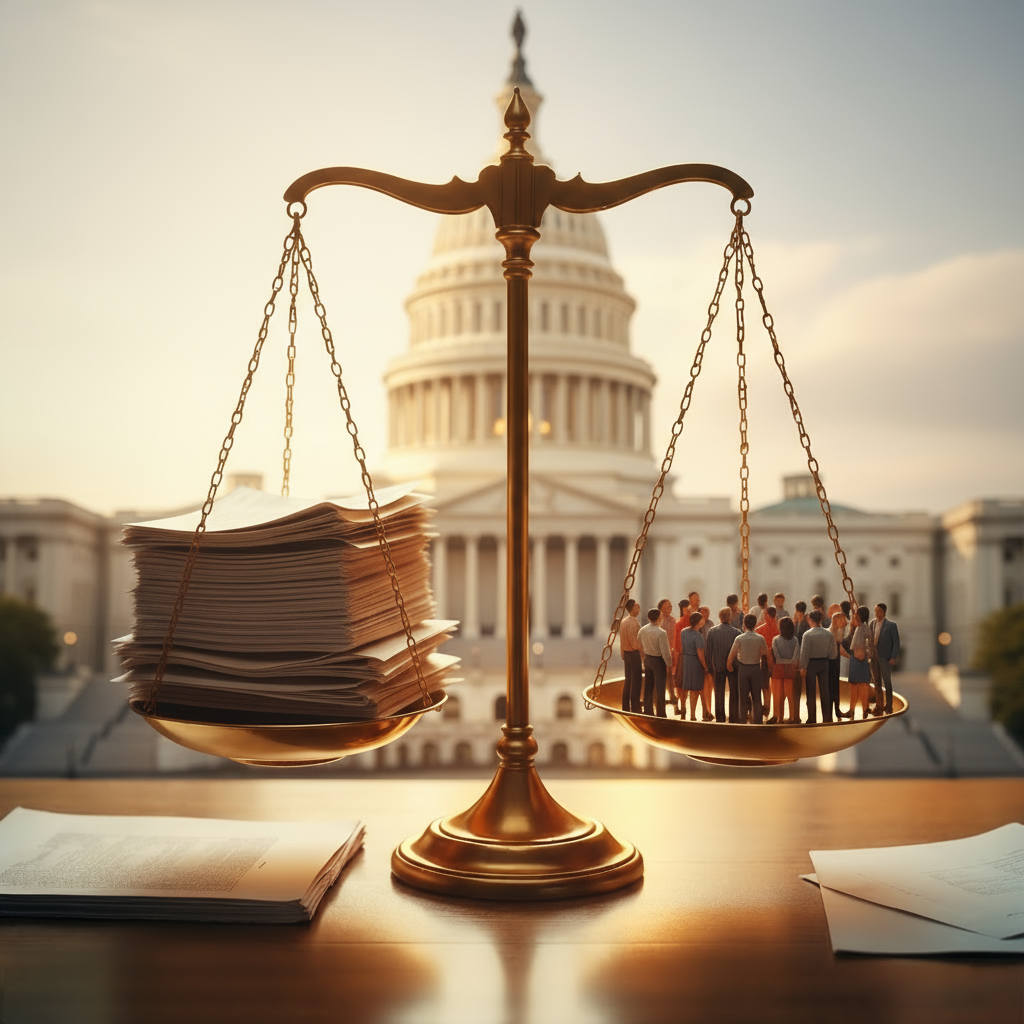
While disruption should not be romanticised, Ireland’s fuel protests were a lesson in democracy. Protesting farmers, haulers, and citizens temporarily bridged the visibility gap between elite priorities and the concerns of the majority.
The rapid concessions were not just a technical policy adjustment, but an acknowledgement that the protests had democratic legitimacy. They achieved relief and forced the government to listen, opening a healthier conversation about the kind of energy future that can protect both the planet and the people who keep a country moving.