
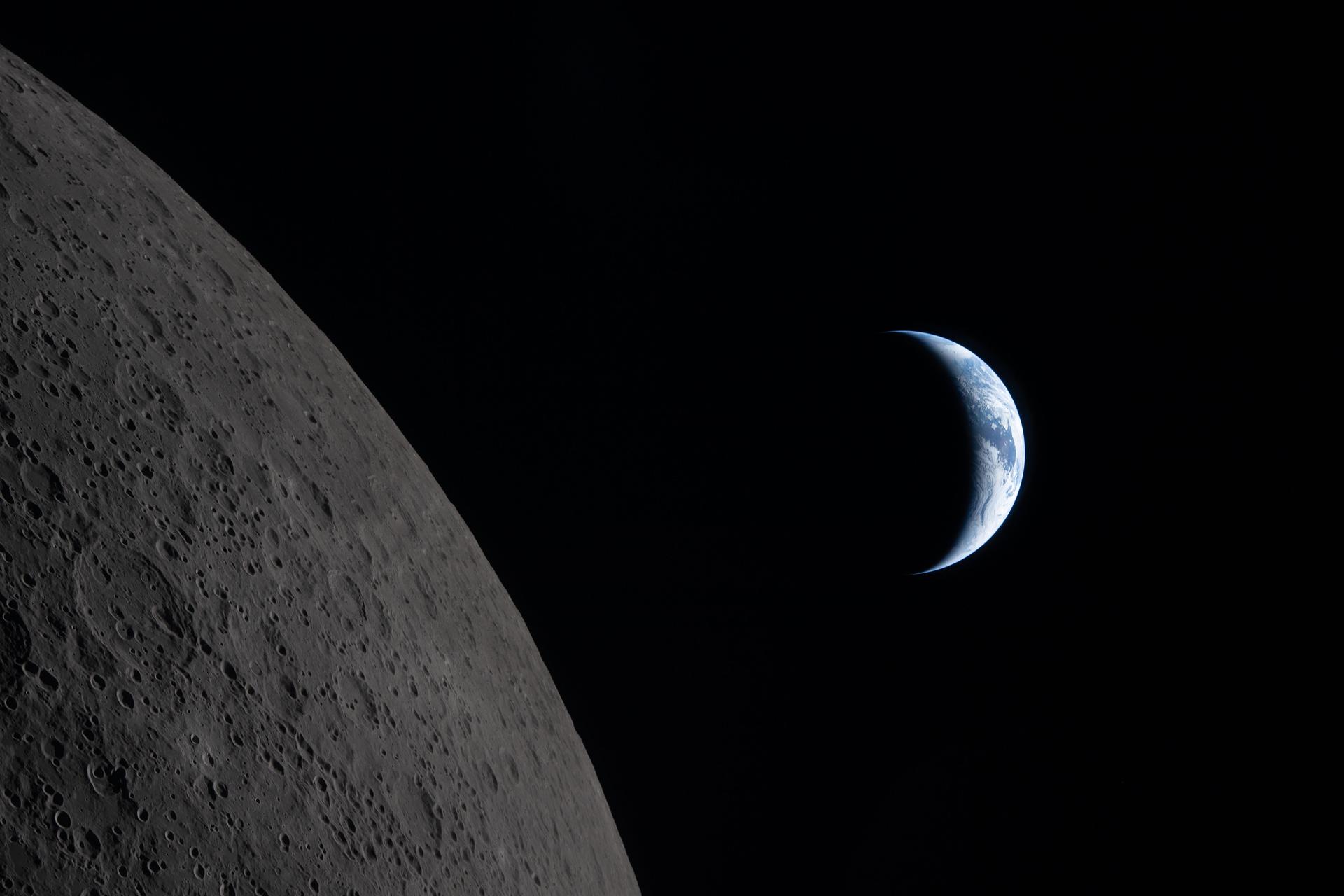
Artemis II (April 2026)
Space and Unity, Rethinking our Place in the Universe
In this feature, we turn to the voices of those who have seen the Earth from beyond, and returned with a perspective shaped by distance, unity and shared humanity. As the crew of Artemis II has now returned to Earth, we invite you to continue the journey for just a few moments longer.
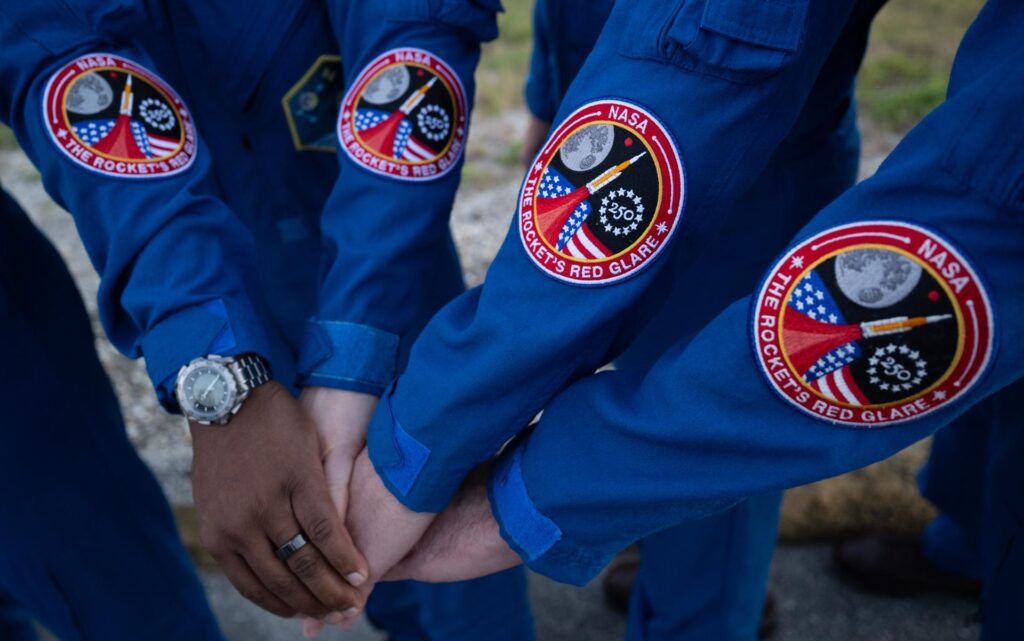
Launched on April 1st, 2026, the Artemis II mission marked humanity’s return to deep space with a crew on board for the first time in over fifty years. Over the course of ten days, the spacecraft travelled more than 1.1 million kilometres, carrying four astronauts – Reid Wiseman, Victor Glover, Christina Koch and Jeremy Hansen – on a journey around the Moon before returning safely to Earth on April 10th.
Beyond its technical achievements, the mission offered something less measurable, yet equally profound: a renewed perspective on our planet and our place within it.
Each time humanity reaches beyond its world, something remarkable happens. The journey is no longer only theirs – it becomes a shared human experience. Across cultures and nations, attention converges, carried by a sense of wonder, unity, a quiet excitement, and a renewed curiosity for the mysteries of the universe.
In doing so, these journeys inspire us – not only through what they discover, but through the perspective they awaken. For a moment, differences seem to fade. What remains is a collective gaze turned outward – and perhaps, inward as well.
These missions do more than explore space. They reflect something back to us.
Among those who have witnessed this shift firsthand is Victor Glover, pilot of the mission. Reflecting from aboard Orion, he describes a subtle but profound transformation in perception:
“As we are so far from Earth and looking back at the beauty of creation, I think for me one of the really important personal perspectives that I have up here is I can really see Earth as one thing.”
From that distance, something changes. Not in the world itself – but in how it is seen.
The Overview Effect
Seen from space, the Earth looks as a whole, fragile, and suspended in the vastness of space, appearing as little as a grain of sand, and yet contains everything we’ve known until now. This experience of being both within the world and beyond it produces more than wonder for the astronauts, it often unfolds into a shift in perception that many of them struggle to fully put into words.
Since 1985, this cognitive shift has been known as the overview effect. Researchers describe it as a state of awe, often accompanied by a deep emotional response and a renewed sense of connection – to oneself, to others, to the Earth as a whole, and to life itself.
For many, it is not only a moment of perception, but a transformative experience – one that can reshape how they think, feel, and relate to the world. Astronauts have reported lasting changes in their awareness, their values, and even their behavior, reflecting a new level of consciousness shaped by what they have seen.
From space, borders disappear. The divisions that structure our lives dissolve into abstraction. What remains is unity: a single and shared living system.
As Victor Glover reflects:
“Thinking about all the cultures all around the world, this is an opportunity for us to remember where we are, who we are, and that we are the same thing and that we’ve got to get through this together.”
In that moment, perspective expands – inviting a reconsideration of our place in the universe. For some, this shift opens the door to a deeper form of introspection.
More than fifty years earlier, Edgar Mitchell, the sixth man to walk on the Moon, described a similar shift in perception during his return to Earth on the Apollo 14 mission.
Looking back at the planet from space, he experienced a profound sense of interconnectedness – a feeling that everything, from the Earth to the stars, was part of a unified whole.
For Mitchell, this moment became a turning point, leading him to explore a reality grounded in interconnection and oneness. In 1973, he founded the Institute of Noetic Sciences to study consciousness and the deeper nature of human experience, opening a new field of exploration where scientific inquiry meets lived experience.
Our daily concerns, so immediate, so pressing, lose their weight when seen from this scale. From above, they become almost imperceptible, dissolved into the vastness of the whole. And yet, nothing has changed. Only the way we see.
To step back, even for a moment, is to remember that everything is in motion. Nothing is fixed. Everything passes. To take distance is not to escape reality, but to see it more fully.
For a moment, we might imagine sitting beside the crew in the spaceship – looking out into the vastness. Where do our concerns stand at this scale?
Reading this article, while everything may have seemed still, we have in fact travelled nearly 80,000 kilometres through space – carried by the rotation of the Earth, its orbit around the Sun, and the movement of our galaxy. After just a few minutes, we are no longer in the same place in the universe.
The Earth is in constant motion. And so are we. We are, in every moment, travellers of the cosmos.
“I hope this mission is giving you something that you can take, and put in your pocket or in your heart and mind and that you keep with you.” Victor Glover
From this vantage point, humanity begins to appear not as a collection of individuals, but as a whole – unified, interconnected, evolving, and sharing a common place in the vastness of space.
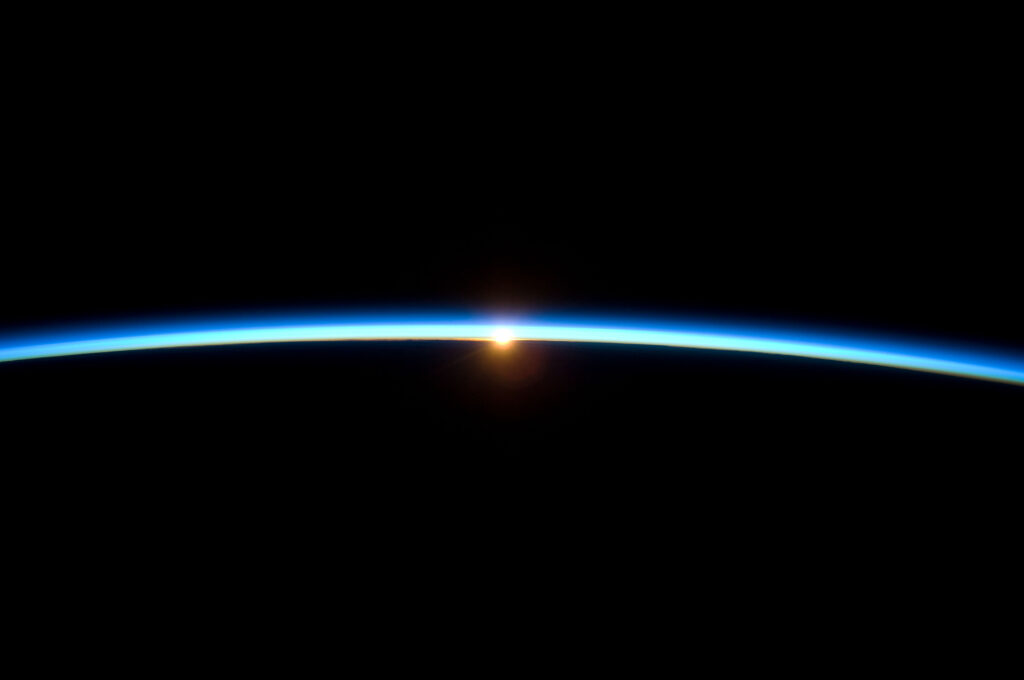
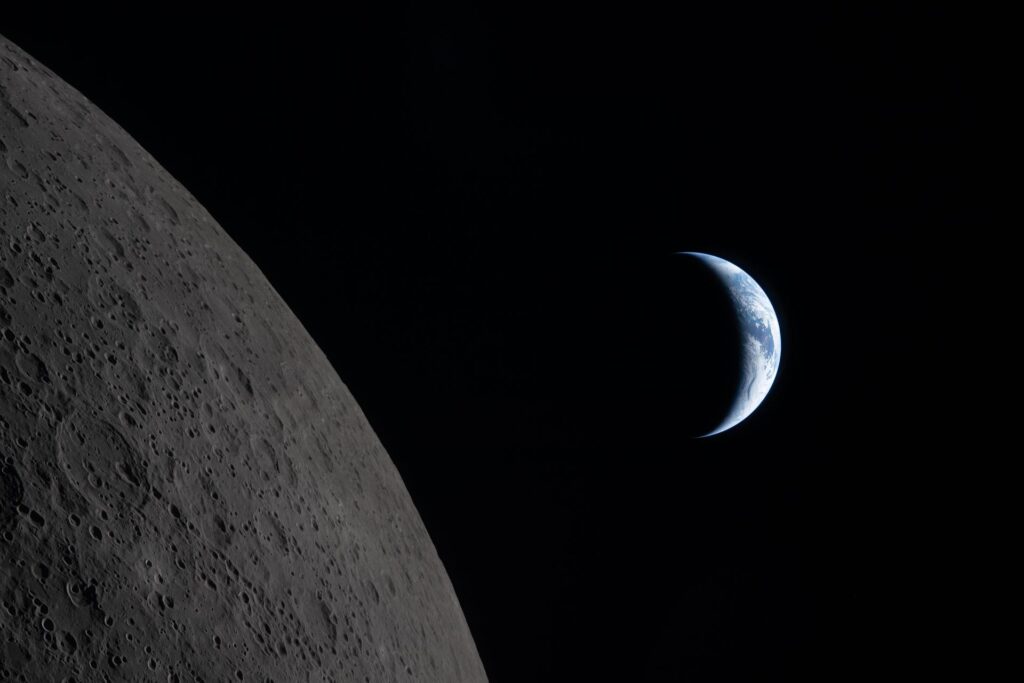
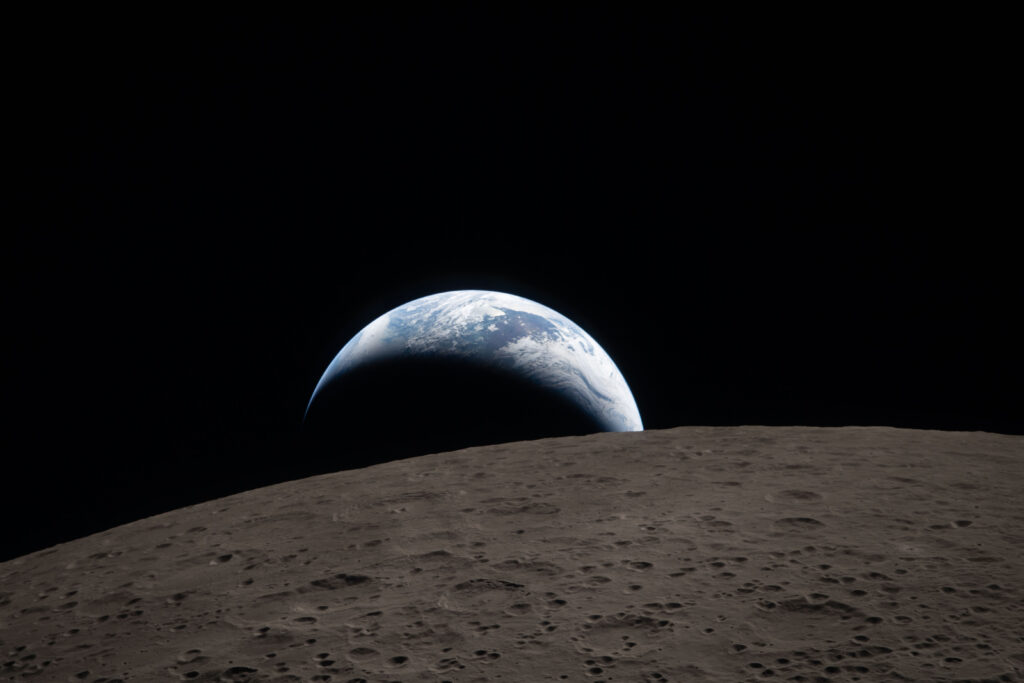
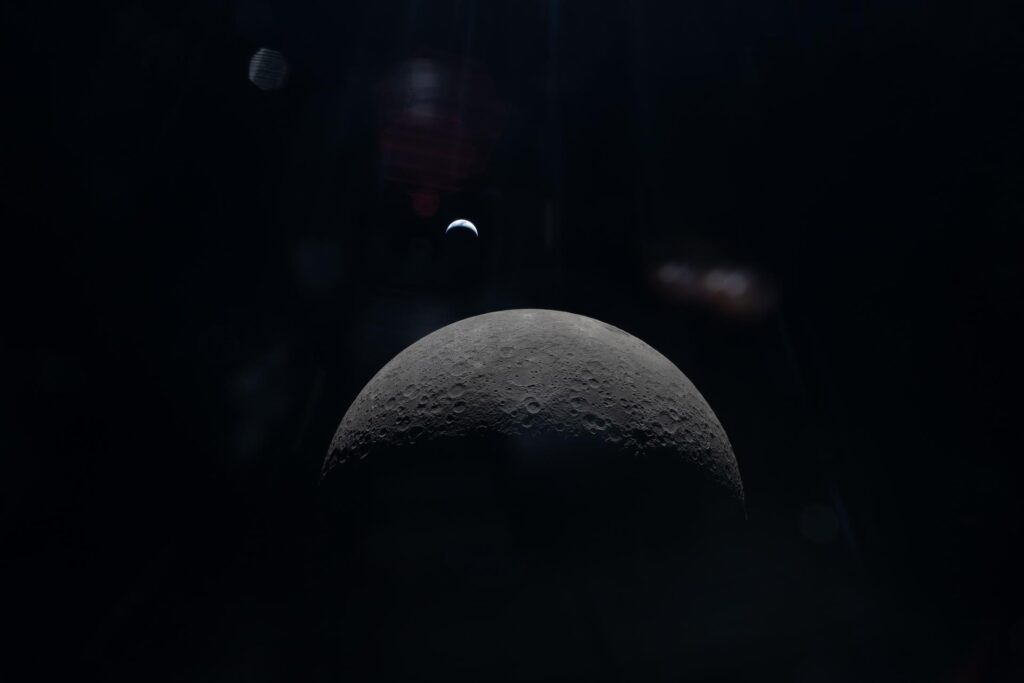
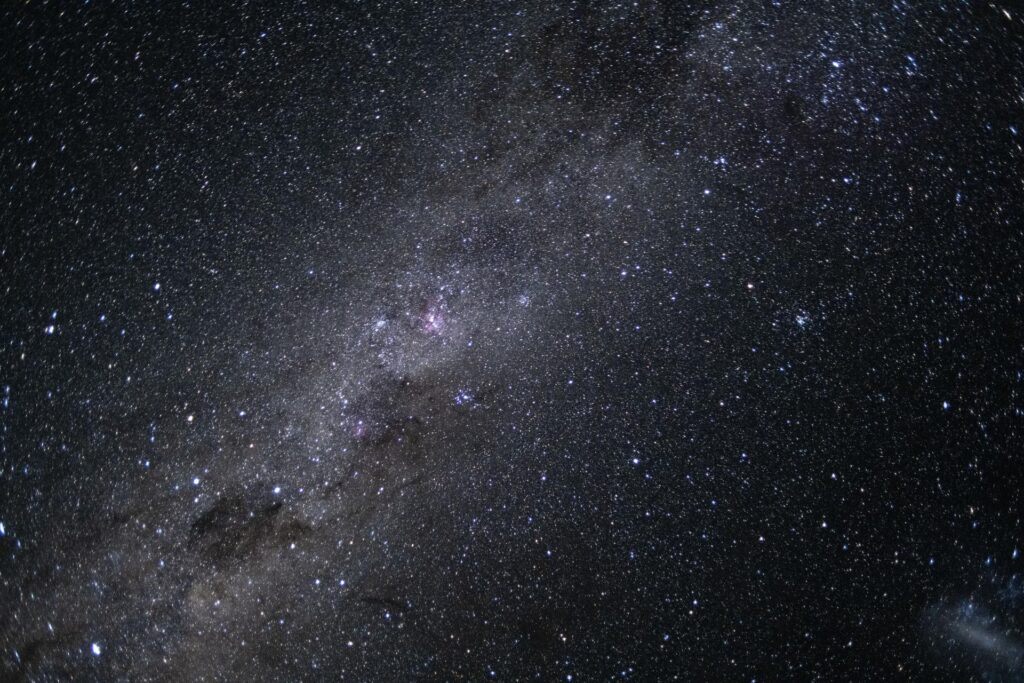
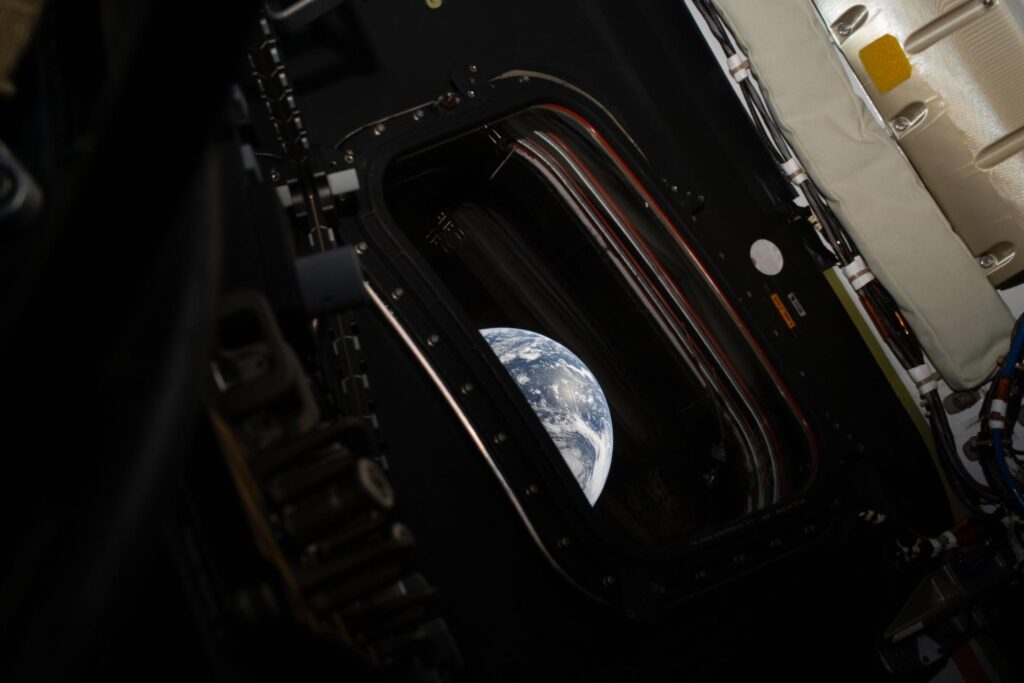
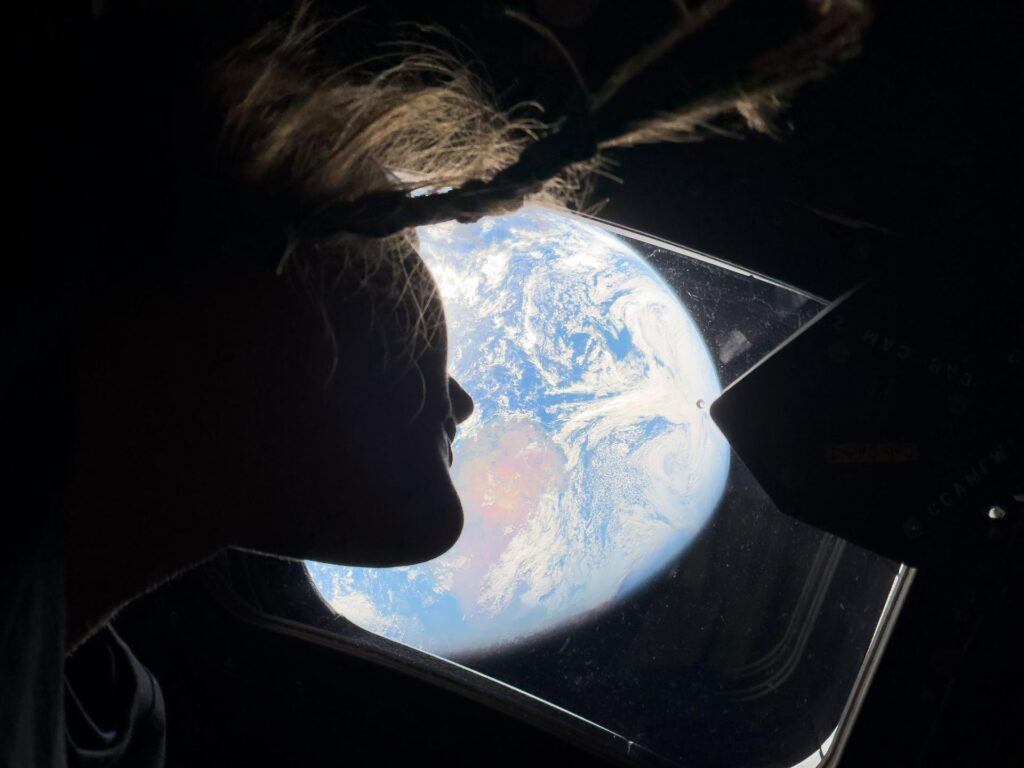
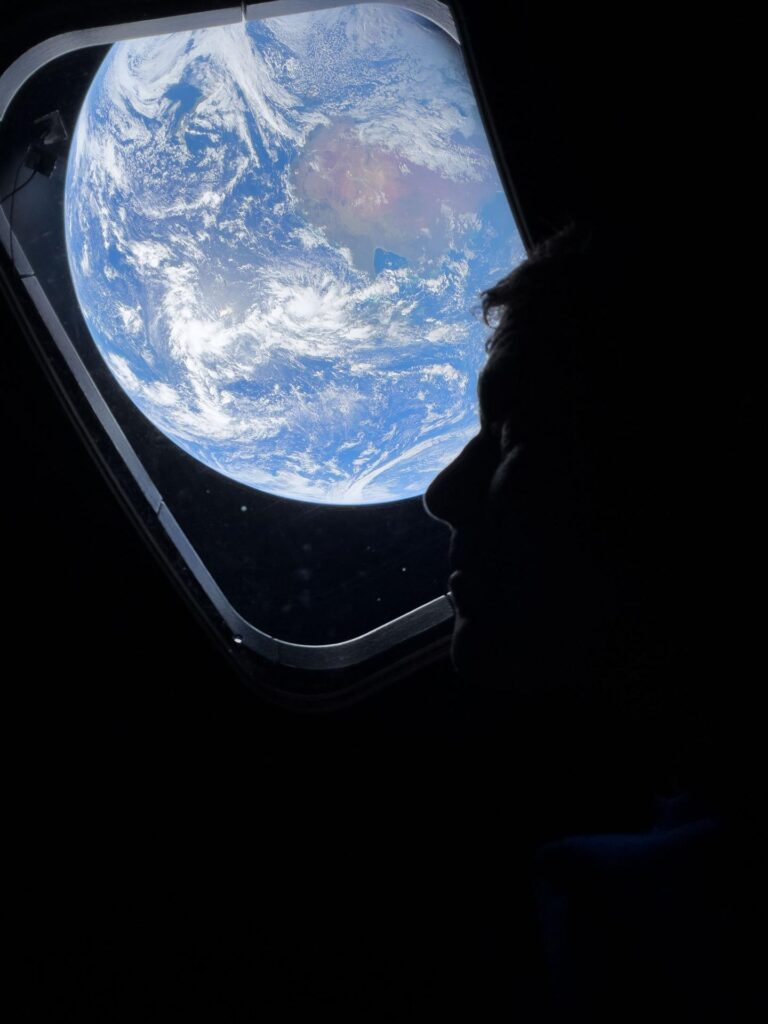
Photo Credit: NASA
This article introduces our new section, A Light in the World, which shares portraits and testimonies that illuminate our time, through their experiences and the perspective they offer.
In a world often shaped by urgency, these moments invite us to pause, reflect and reconnect with what brings meaning, clarity, and direction.
They do not claim to have all the answers, but they offer something equally valuable: a way of seeing that can shift how we understand ourselves, others, and the world around us.


One thought on “Artemis II Mission – Rethinking our Place in the Universe”
Comments are closed.