Every September 16, the International Day for the Preservation of the Ozone Layer reminds us of a truly remarkable story: that of an environmental problem that became a global issue, to which the world chose to respond collectively.
A discovery that could have gone unaddressed
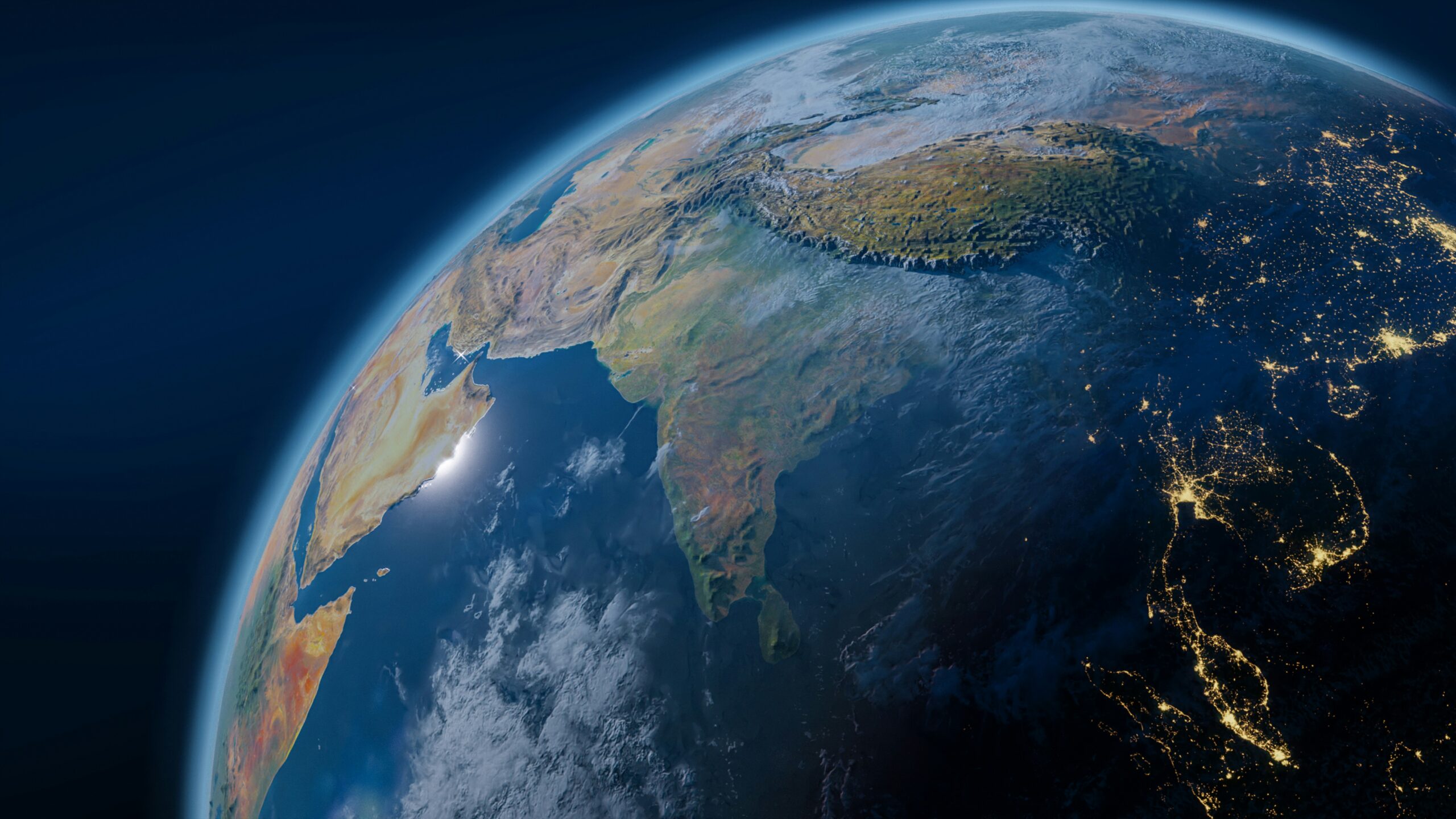
The ozone layer is a region of the stratosphere, roughly 10 to 50 kilometres above Earth’s surface, where most of the atmosphere’s ozone is found. It acts as a natural shield, absorbing much of the Sun’s harmful ultraviolet (UV) radiation and helping protect human health, ecosystems and agriculture. The discovery of severe ozone depletion in the 1980s therefore raised concerns far beyond atmospheric science. Scientists linked the damage to human-made chemicals, particularly chlorofluorocarbons (CFCs) and halons, which had been widely used in refrigeration, aerosols, fire-fighting equipment and other applications.
A discovery that could have gone unaddressed
In May 1985, scientists confirmed what some researchers had already feared: a massive hole had formed in the ozone layer above Antarctica. This invisible shield, which protects us from ultraviolet rays, was being torn apart by chemicals that had been in widespread use for decades—in refrigerators, aerosol cans, and insulation foams.
When faced with this kind of warning, history often records years of ignored reports and stalled negotiations in the scientific community. Here, the opposite happened.
Two years to turn a scientific warning into a global agreement
As early as 1985—the same year as the discovery—the Vienna Convention established a framework for international cooperation among nations. Then, in 1987—barely two years after the warning—24 countries and the European Economic Community signed a landmark agreement in Montreal: the Montreal Protocol.
What makes this moment exceptional is not just the speed. It is the way in which three worlds that rarely communicate with one another have begun to work together: scientists, who have established a clear and shared diagnosis; industry leaders, who have agreed to develop alternative solutions; and governments, who have translated all of this into binding commitments applicable everywhere on the planet.
How the Montreal Protocol Helped the Ozone Layer Recover
The Montreal Protocol did more than establish a global commitment: it created a mechanism to progressively phase out the production and consumption of ozone-depleting substances. Since its adoption in 1987, the agreement has been strengthened several times as scientific knowledge and technology have evolved.
According to the United Nations Environment Programme, implementation of the Protocol has led to the phase-out of around 99% of ozone-depleting substances worldwide. The Kigali Amendment, adopted in 2016, extended this approach to hydrofluorocarbons (HFCs), which do not destroy the ozone layer but are powerful greenhouse gases.
The story is therefore not simply about repairing the ozone layer. It also illustrates how scientific monitoring, international cooperation, technological change and long-term policy can work together.
How the Montreal Protocol Has Evolved Over 40 Years
The result? A treaty that, year after year, has continued to evolve as science has advanced—strengthened in the 1990s and 2000s, then expanded in 2016 with the Kigali Amendment to address new gases. A living treaty, never set in stone, always capable of learning. And above all: a treaty that delivers on its promises.
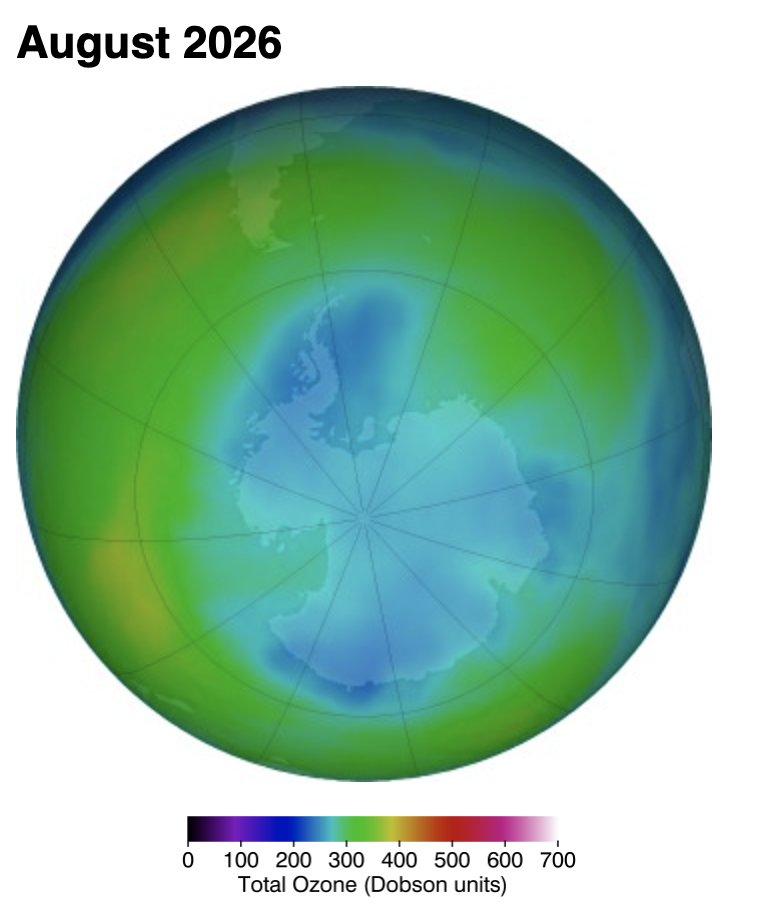
In 2003, on the occasion of the International Day for the Preservation of the Ozone Layer, United Nations Secretary-General Kofi Annan stated:
“The Montreal Protocol is perhaps the most successful international agreement to date.”
Twenty years later, the results speak for themselves; beyond being the most successful, this protocol is also the most effective because it continues, even today, to protect the atmosphere we all share.
This story proves that when science issues timely warnings, when lawmakers know how to translate those warnings into fair regulations, when nations choose to cooperate, and when citizens remain informed and vigilant, then miracles become possible again—even on a global scale. And if this miracle has happened once, there’s no reason not to believe in it again: the proof is there that the world knows, when it truly decides to, how to act together to live better together.
Explore 40 years of collaboration in pictures.
Learn more : https://ozone.unep.org/