
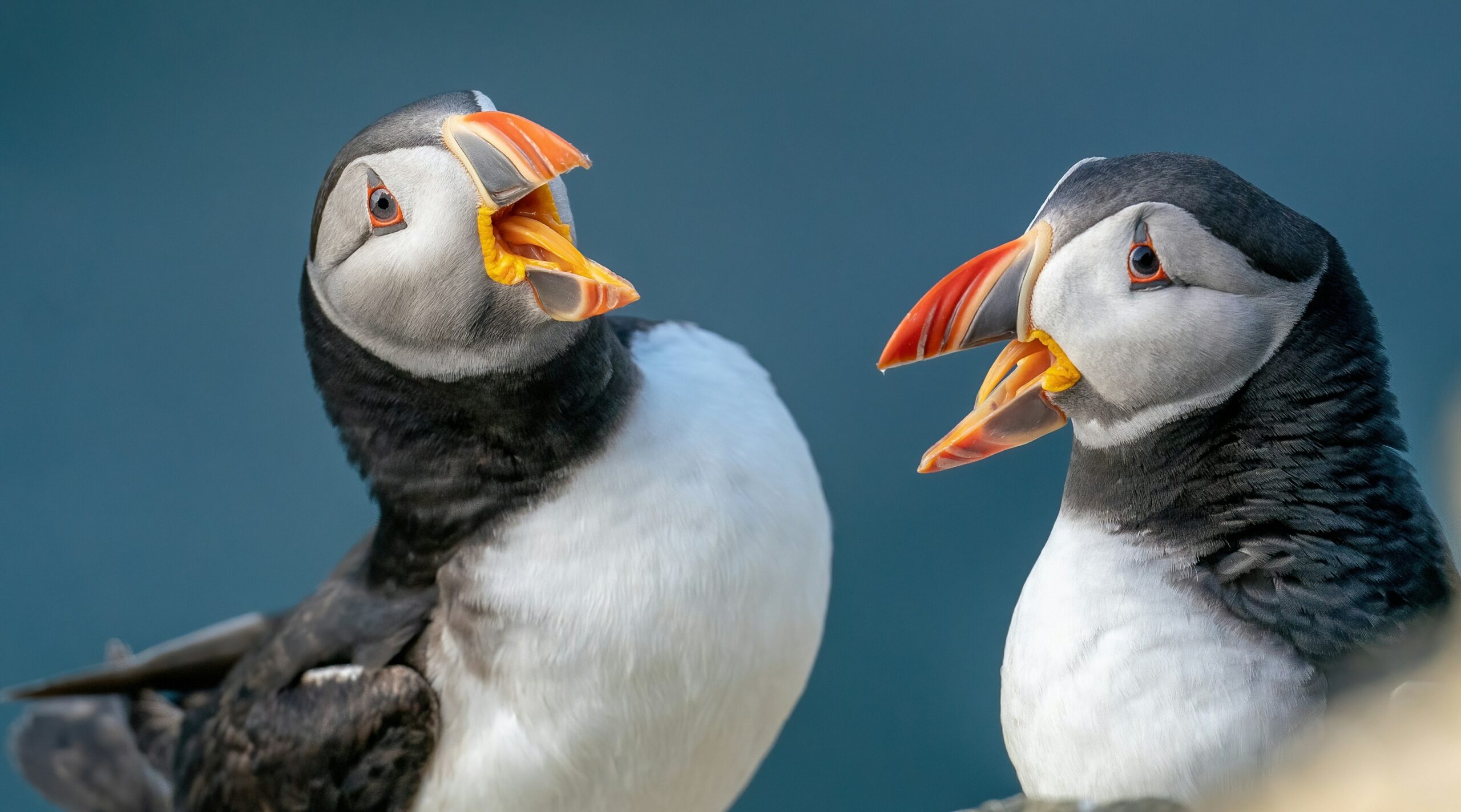
Artificial intelligence (AI) has long been known for applications such as self-driving cars and automated writing assistants. However, another equally exciting use of AI is now beginning to make headlines: decoding animal language. Recent scientific and technological breakthroughs suggest that AI is increasingly being employed to understand how animals communicate,offering new possibilities for interactions between humans and other species. These developments not only represent cutting-edge science but also hold hopeful implications for animal welfare and human comprehension of the natural world.
One of the most notable developments came from a recent report in the journal Nature highlighting how AI is already being used to help decode animal “speech”, including the complex vocalizations of whales, birds, and other species whose communication may be far more sophisticated than previously believed. Scientists are using AI tools to analyze large datasets of sounds, patterns, and signals to uncover hidden structures and possible meanings in animal communication.
Similarly, technology companies are exploring practical applications of this research. In 2025, Chinese tech giant Baidu submitted a patent for an AI system designed to translate animal sounds into human language by analysing vocalisations, body language, and behavioural signals. While the company’s prototype is still in early stages, the idea signals a major shift: AI could soon help unlock the emotional and behavioural cues behind animal sounds, offering insights into what animals are feeling and trying to communicate.
These breakthroughs are driven by rapid evolution in natural language processing and machine learning, the same technologies that power tools like ChatGPT. By training models on vast amounts of data and identifying patterns far beyond the scope of human analysis alone, AI is now capable of parsing complex, non-human communication systems in ways never before possible.
AI and Animal Communication: What’s Possible Now
At present, most AI work work on animal communication focuses on analysis rather than real-time conversation. Researchers feed massive datasets (for example, recordings of whale calls or bird songs) into AI models that can identify similarities between sounds and detect recurring patterns. These patterns suggest structured communication systems, even if they cannot yet be considered a “language” in the human sense.
AI also plays a role in improving animal welfare. AI can monitor animal behaviour and well-being, helping farmers and veterinarians identify signs of stress, pain, or discomfort more accurately than the human eye alone. And when we better understand what an animal is signalling, the potential for more humane treatment increases significantly.
Even when full translation is not yet achievable, AI helps decode layers of communication previously invisible. For example, studies into vocal warning calls among birds suggest that different species may share certain learned vocal signals, which hints at deeper commonalities in how communication evolves across species.
Why This Matters for Humans and Animals
The implications of these advancements are profound, touching both scientific understanding and ethical responsibility:
For humans, AI-driven research into animal communication is expanding our knowledge of cognition, evolution, and the nature of language itself. By uncovering the mechanisms non-humans use to share information, scientists can better understand how communication evolved on Earth creating new bridges between biology, linguistics, and computing.
Furthermore, better understanding animal signals can help enhance conservation efforts, especially for endangered species whose survival depends on reading behaviour and stress responses in changing environments. Thanks to AI, scientists can monitor animal populations at scales never before possible, using automated audio and video analysis to detect critical signals from afar.
For animals, this progress means a greater chance of being understood and treated with empathy. From identifying signs of suffering in livestock to interpreting social calls among wildlife, AI offers tools that can help humans respond more responsibly. When we can make sense of what animals express — even if imperfectly — we open the door to more humane practices and policies across many fields.
A Bright Future of Shared Understanding
While AI is still far from enabling two-way “conversation” with dolphins, cats, or other species on the level of human language, the pace of progress is undeniable. What seemed like science fiction only a few years ago (using AI to reveal meaning in animal calls) is rapidly becoming scientific reality.
These advances aren’t just technological curiosities; they represent a hopeful shift in how humanity relates to the natural world. By applying intelligent machines to age-old questions about animal communication, we gain tools that can enhance animal welfare, enrich scientific understanding, and deepen our empathy across species. In a world facing ecological challenges and ethical dilemmas, innovations like these remind us that technology can serve not just efficiency, but compassion and coexistence.
In essence, the march of AI may one day help us not only to understand what animals say — but why they say it — and that is a truly positive step forward for all of us.