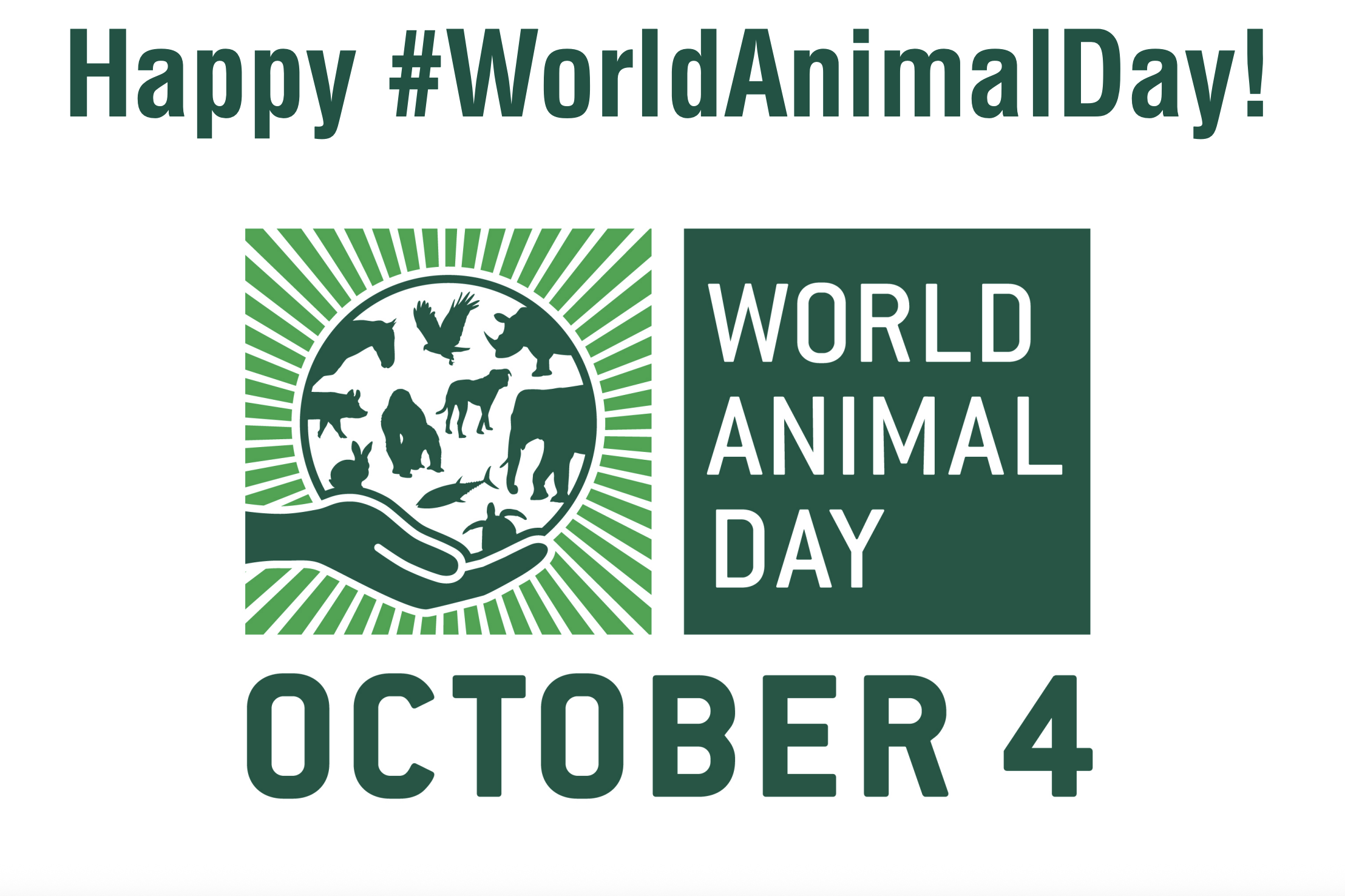
There are dates we barely notice. World Animal Day, on October 4, might be one of them. Every year, it appears on the calendar with this invitation: to take a moment to think about animals.
In a news cycle saturated with wars, political crises, climate change, and economic concerns, the idea might seem almost secondary.
So I asked myself: why dedicate a day to animals?
The choice of this date is no coincidence: October 4 is the feast day of St. Francis of Assisi, a 13th-century figure who viewed animals, plants, water, and the elements of nature not merely as resources, but as companions in life.
Eight centuries later, our perspective has changed. We know how to observe them, count them, track their movements via satellite, understand their behaviors, and measure the effects of our activities on their habitats. We have learned to know them better, but perhaps not yet to value them more highly. Yet behind this scientific knowledge, one question remains: what place do we truly grant to other species in a world that we have largely shaped for ourselves?
Perhaps this is precisely why this day deserves our attention. In a world where we often view living beings through the lens of what they can provide us, protect us from, or teach us, October 4 invites us to shift our perspective and ask ourselves what it truly means to make room for those who live alongside us.
Making Room for Life
Our relationship with animals is full of contradictions. Some live in our homes, are part of our families, have names, and hold a special place in our lives. We are capable of forming deep bonds with them, caring for them, and mourning them. And yet, on a global scale, never before have so many species been threatened with extinction.
According to the Intergovernmental Science-Policy Platform on Biodiversity and Ecosystem Services (IPBES), nearly one million animal and plant species are threatened with extinction, while 75% of terrestrial habitats and 66% of marine habitats have been significantly altered by human activities.
In 2026, the IUCN Red List included more than 175,000 assessed species, of which nearly 50,000 were considered threatened.
These figures are staggering and illustrate the extent of the pressure we are placing on living organisms.
But behind this alarming reality, we still have a real capacity to make a difference. When a species is protected, its habitat is preserved, and hunting or poaching declines, a population can recover. It is not always a quick process, nor is it guaranteed, but sometimes a single year can offer several reminders that things can change.
The year 2026 offers several examples of this.
When Trajectories Change
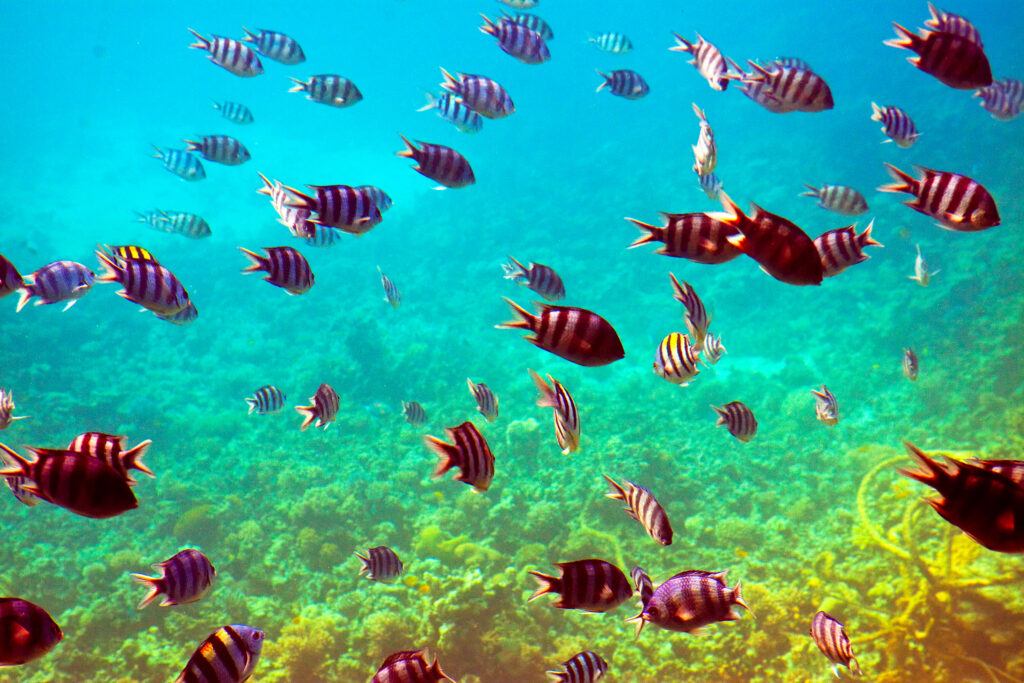
In January 2026, the international treaty on the high seas entered into force. It establishes the first comprehensive legally binding framework for conserving and sustainably using marine biodiversity beyond national jurisdiction, an area covering nearly two-thirds of the world’s ocean. In September, the treaty had surpassed the symbolic threshold of 100 Parties.
That same year, the IUCN estimated that marine protected or conserved areas now covered just over 10% of the ocean, up from 8.6% in 2024. This does not mean that the ocean is now effectively protected everywhere. But it does show that, in just a few years, collective decisions can truly change the priority given to wildlife.
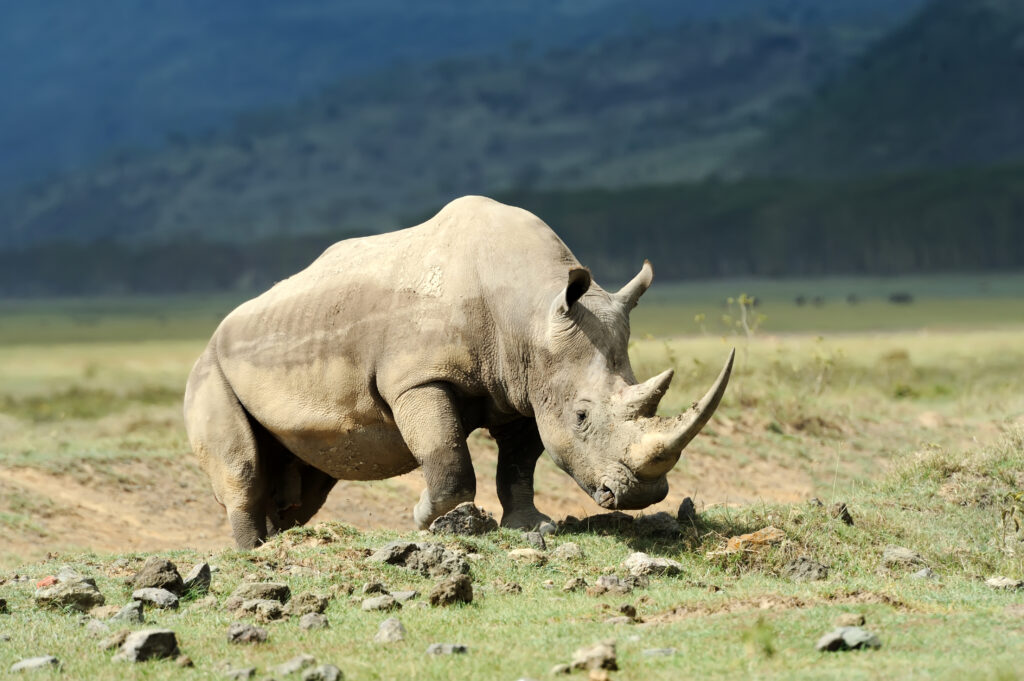
In Uganda, the story is even more striking. The last rhinos had disappeared from Kidepo Valley National Park in 1983. Last March, two southern white rhinos were reintroduced there, the first step in a program aimed at gradually rebuilding a viable population
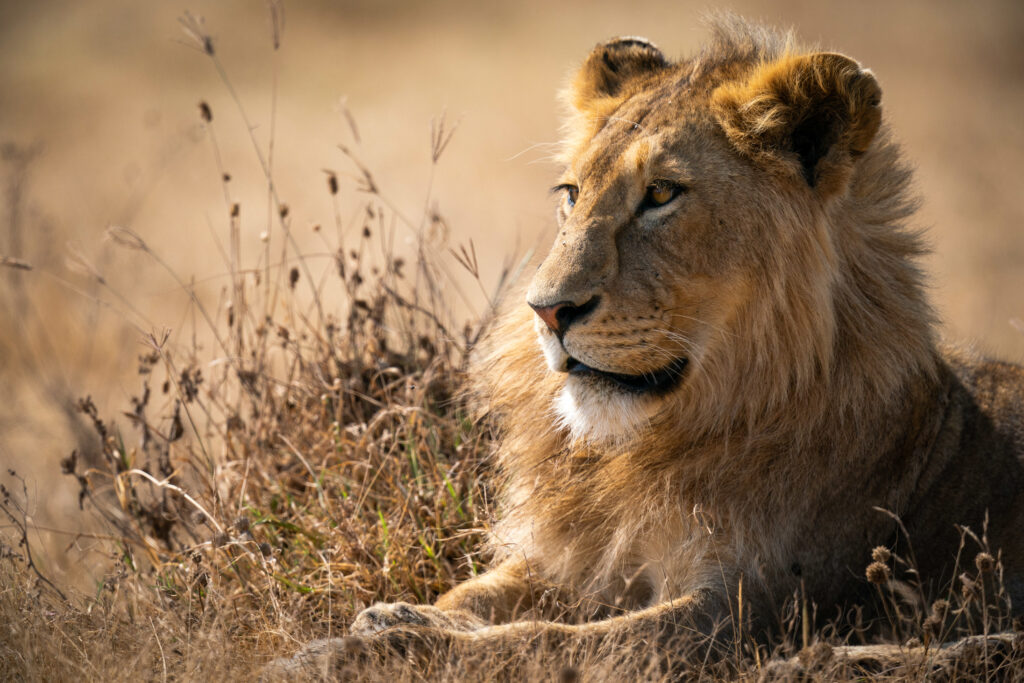
In Senegal, in Niokolo-Koba National Park, the first scientific census conducted in 2011 counted only 10 to 15 lions. In 2026, their population is estimated to be between 29 and 50 individuals. Behind this increase lie years of habitat protection, anti-poaching efforts, scientific monitoring, and collaboration with communities living around the park.
“If we kill off the wild, then we are killing a part of our souls.”
This quote from Jane Goodall continues to resonate even today. For decades, she observed the chimpanzees of Gombe, studied their behaviors, and then devoted much of her life to conservation and to the communities living in close contact with threatened ecosystems. Her approach has never been to pit humans against nature, but rather to understand how the two could continue to live together.
As The Uplift reported, one year after her death on October 1, 2025, the Jane Goodall Institute of Canada is carrying this philosophy forward through the Hike for Hope, taking place across Canada on October 3 and 4. It invites people to walk, reconnect with nature, and support community- and youth-led conservation projects.
So, what is the real purpose of this day?
Probably not to save a species in twenty-four hours.
A global day of action alone cannot change an ecological trajectory. It is no substitute for public policy, research, or the resources dedicated to conservation.
But it can prompt us to pause and become more aware. October 4 may be the moment when we look a little differently at the dog waiting for us behind a door, the bird perched on a wire, the insect we would once have crushed without a second thought, or that wild species we’ll probably never see.
It can also be an opportunity to look at biodiversity statistics in a new light. Behind a lion population that has more than doubled, behind two rhinos returning to Kidepo after 43 years, behind five million square kilometres of ocean newly brought within protected and conserved areas, there is something the statistics don’t quite capture: sustained human choices that can give wildlife more room to survive and recover.
Perhaps that is ultimately what October 4 reminds us of. Not that animals need us to celebrate them once a year, but that we, ourselves, need to remember that they are here, that they were here long before us, that they live alongside us. And that the way we do (or do not) make room for them also says something about the world in which we choose to live.